
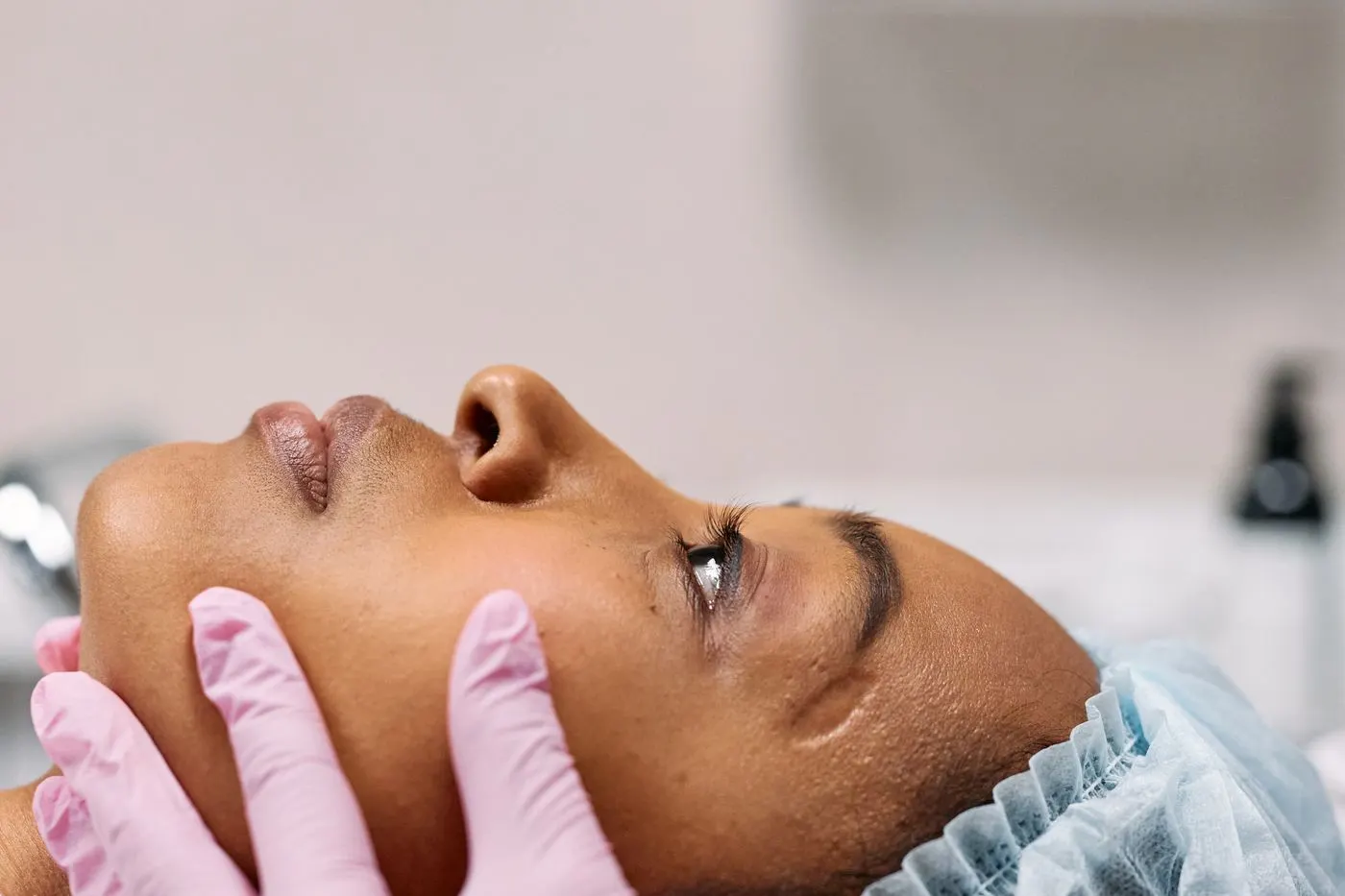
Microdermabrasion is a non-invasive skin treatment that gently removes the outer layer of dead skin cells to help the skin look smoother and brighter.
Over time, dead cells build up on the surface, and the skin can look dull, rough, or uneven. Microdermabrasion is a popular choice for people who want a refreshed complexion with little or no downtime. At Tadawi Medical Center we offer both crystal and diamond microdermabrasion.
What is microdermabrasion?
Microdermabrasion is a form of mechanical exfoliation. A handpiece gently buffs the skin surface while a light suction removes the loosened dead cells.
The treatment aims to:
- Remove dull surface cells
- Improve skin smoothness and texture
- Help skincare products absorb better
- Encourage the skin’s natural renewal process
What is the difference between crystal and diamond peel?
Both are types of microdermabrasion, but they exfoliate in slightly different ways.
- Crystal microdermabrasion sprays fine medical-grade crystals onto the skin and vacuums them away with the dead cells
- Diamond microdermabrasion uses a diamond-coated tip that buffs the skin without loose crystals
- Diamond tips come in different grades, which allows more control around delicate areas such as near the eyes
Your practitioner will recommend the option that suits your skin.
What skin concerns can microdermabrasion help with?
Microdermabrasion may help improve:
- Dull or tired-looking skin
- Rough or uneven texture
- Mild sun damage and uneven skin tone
- Fine lines
- Mild, superficial acne marks
- Clogged pores and blackheads
It works on the surface of the skin. It is not designed for deep acne scars, deep wrinkles, or significant pigmentation, which may need other treatments such as chemical peels.
Who should have microdermabrasion?
Microdermabrasion may suit people who:
- Want a gentle refresh with minimal downtime
- Have mild texture or tone concerns
- Have most skin types, including many darker skin tones, when settings are adjusted
Suitability is determined after assessment.
How is microdermabrasion done?
A session usually takes about 30–60 minutes.
- Your skin is assessed and your medical history is reviewed
- The face is cleansed to remove oil and makeup
- The handpiece is passed over the skin in several gentle strokes
- Loosened cells and crystals are removed by suction
- A soothing moisturizer and sunscreen are applied
Some treatments, such as our crystal facial care, combine microdermabrasion with other facial steps.
Is microdermabrasion painful?
Microdermabrasion is usually well tolerated. Most people feel:
- A light scratching or sanding sensation
- A gentle pulling from the suction
- Mild warmth or tingling afterward
The intensity can be adjusted for sensitive areas.
How many sessions will I need and when will I see results?
- Many people notice smoother, brighter skin after the first session
- A course of several sessions, often spaced two to four weeks apart, is commonly advised
- Maintenance sessions may help keep the results
- Results vary depending on skin type and concerns
What are the side effects or risks?
Side effects are usually mild and short-lived:
- Redness and a “windburn” feeling for a few hours
- Mild dryness or flaking for a day or two
- Temporary sensitivity to skincare products
Less commonly, bruising from suction, small scrapes, or patches of darker skin can occur, especially with sun exposure.
How do I prepare for microdermabrasion?
- Avoid sunburn and tanning for at least a week before
- Stop retinoid creams and exfoliating acids for a few days before, as advised
- Do not wax, thread, or use hair removal creams on the face for a few days before
- Tell us about any medications, especially acne tablets such as isotretinoin
What should I do after the treatment?
- Use a gentle cleanser and moisturizer
- Apply broad-spectrum sunscreen every day
- Avoid exfoliating products and retinoids for a few days
- Skip saunas, steam rooms, and swimming pools for 24–48 hours
- Avoid makeup for the rest of the day if possible
Who should not have microdermabrasion?
Microdermabrasion is usually avoided or postponed if you have:
- Active, inflamed acne or a rosacea flare
- Cold sores, warts, or skin infection on the face
- Eczema, psoriasis, or broken skin in the area
- Sunburn or very sensitive skin
- Taken isotretinoin in recent months (your doctor will advise on timing)
- A tendency to form keloid scars
If you are pregnant, let us know so we can advise on suitable skincare treatments.
Is microdermabrasion the same as a HydraFacial?
No. Both exfoliate the skin, but they work differently:
- Microdermabrasion uses crystals or a diamond tip for dry mechanical exfoliation
- HydraFacial uses a water-based system that cleanses, exfoliates, and hydrates
- A classic deep cleansing facial focuses mainly on cleansing and extractions
Your practitioner can suggest the right choice for your skin.
How much does microdermabrasion cost in Qatar?
The cost depends on:
- The type of treatment: crystal facial care, crystal peel, or diamond peel
- The areas treated
- The number of sessions in your plan
Microdermabrasion (Crystal & Diamond Peel) at Tadawi Medical Center starts from 700 QAR, and the final cost is confirmed before the treatment.
Microdermabrasion (Crystal & Diamond Peel) at Tadawi Medical Center
Treatment is supervised by Dr. Randa Marahid (specialist dermatologist) and our aesthetics team.
We provide:
- A skin assessment before your first session
- Crystal and diamond microdermabrasion options
- Settings adjusted to your skin type and sensitivity
- Aftercare and sun protection advice
- Recommendations for combined skin treatments where suitable
Book a consultation at Tadawi Medical Center
If your skin feels dull or uneven and you want a gentle treatment with little downtime, our team can assess your skin and recommend whether crystal or diamond microdermabrasion suits you.
Book Microdermabrasion (Crystal & Diamond Peel) at Tadawi Medical Center