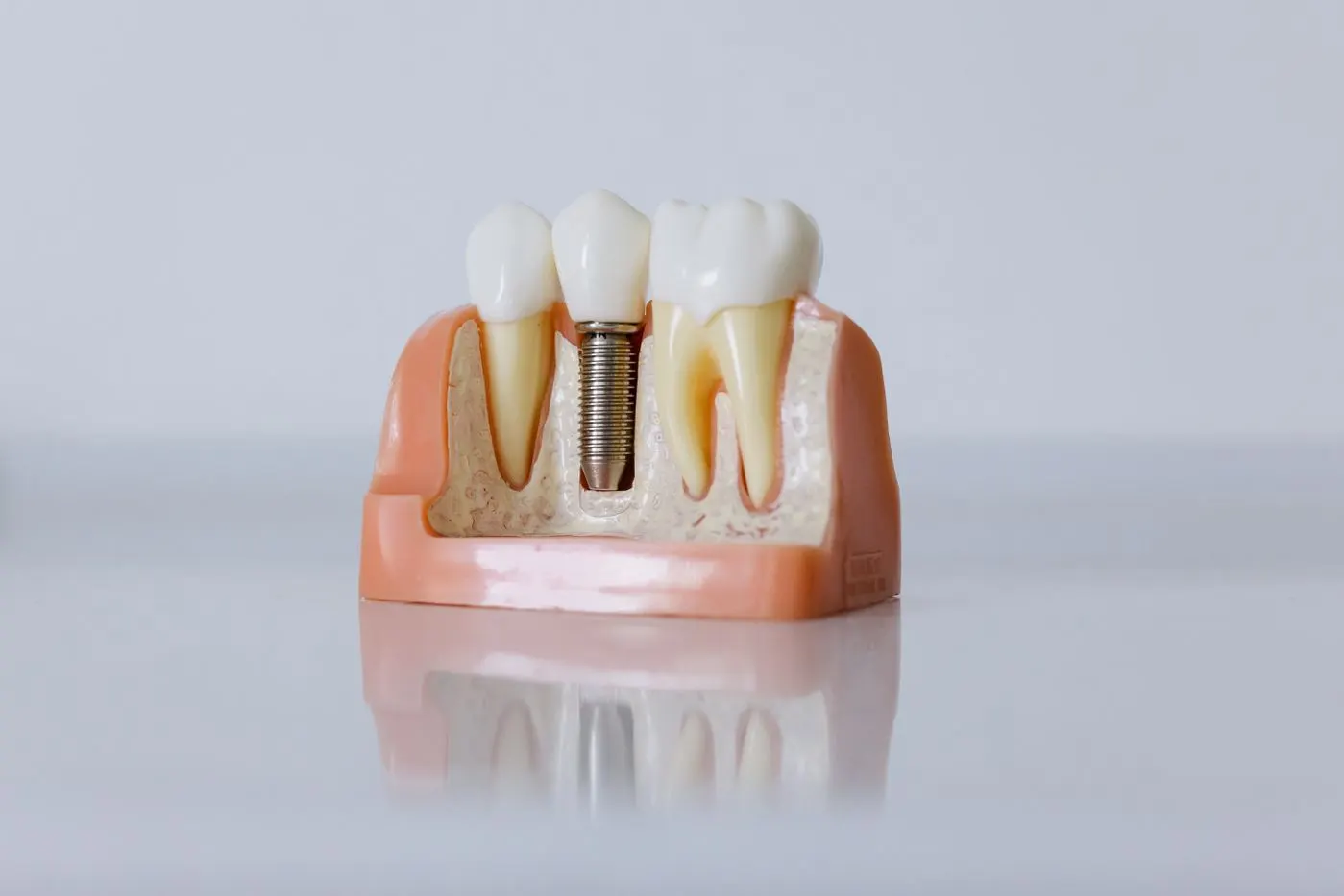
Implant-supported dentures, also called overdentures, are dentures that clip onto dental implants in the jaw so they are held more firmly in place.
Loose dentures can make eating, speaking and smiling uncomfortable, especially lower dentures, which often have less to hold onto than upper dentures.
Attaching the denture to implants usually gives a more stable fit than a conventional denture.
What are implant-supported dentures?
An implant-supported denture is a full or partial denture that clips onto attachments on one or more dental implants.
Key features:
- Most are removable for cleaning
- They usually move less than a conventional denture
- In some cases, an existing denture can be adapted to fit onto the implants
Implants are placed in the jawbone and are usually left to heal and bond with the bone for a few months.
The denture then clips onto attachments on the implants, which helps keep it from moving while you eat and speak. Learn more about the implants themselves under Dental Implants.
Who is a good candidate for implant-supported dentures?
Implant-supported dentures may suit:
- People who have lost all or most of their teeth in one or both jaws
- Denture wearers whose lower denture is loose or uncomfortable
- Patients who want more stability but prefer a removable option
- People with enough jawbone for implants, or who are suitable for bone grafting
Suitability is determined after assessment. If bone is thin, a Dental Bone Graft may be needed.
Who should not have implant-supported dentures?
Implants may not be suitable, or may need extra caution, with:
- Uncontrolled diabetes
- Heavy smoking
- Previous radiotherapy to the jaw
- Some bone medicines
Please tell the team about your health and any medicines you take. Some of these factors can affect how well the implants heal and bond with the bone.
How many implants do I need?
It depends on the jaw and your needs.
- A lower overdenture is often supported by two implants, and sometimes one
- An upper denture usually needs more implants
The number of implants also depends on the amount and quality of bone available. The team will explain your options after your assessment.
How is the treatment carried out?
- Examination, X-rays and a review of your health
- Placement of implants under local anesthesia
- A healing period of a few months while the implants bond with the bone
- Impressions and fittings over several appointments
- Attachment of the denture and follow-up checks
Several appointments are needed, and the overall timeline depends on healing and whether extra steps such as bone grafting are required.
Is implant placement painful?
Implants are placed under local anesthesia, which is usually well tolerated.
After surgery, these are common for a few days:
- Swelling
- Bruising
- Soreness
What are the risks of implant-supported dentures?
Possible risks include:
- Infection
- An implant not bonding with the bone
- Rarely, nerve or sinus problems
- Gum inflammation around the implants if cleaning is not thorough
Contact us urgently if swelling spreads, or if you have a fever or trouble swallowing after surgery.
Can my current denture be used?
Sometimes an existing denture in good condition can be adapted to fit onto implants.
Often a new denture is recommended for a better fit. The team will check your current denture and explain which option suits you.
How do I clean an implant-supported denture?
- Take it out every day to clean the denture and its attachments
- Gently brush around the implants
- Attend regular check-ups
Over time, the clips or other worn parts need replacing. Worn dentures can be checked through Denture Repair & Relining.
Implant-supported dentures vs conventional dentures — which is better?
An overdenture usually moves less and can make chewing more comfortable. It is still a denture, however, and needs regular cleaning, check-ups and maintenance.
The choice depends on your bone, health and preferences. Results vary.
Your dental team will explain the benefits and limitations of each option, so you can decide what suits you.
How much does Implant-Supported Dentures cost in Qatar?
The cost depends on:
- The type of overdenture, such as a single-implant overdenture or an overdenture on more implants
- Whether a new denture is made or an existing one is adapted
- Your individual treatment plan
Detailed information is provided after your assessment, so you know what is included before you decide.
Implant-Supported Dentures at Tadawi Medical Center starts from 2,500 QAR, and the final cost is confirmed before treatment.
Implant placement and any bone grafting are planned and priced separately.
Implant-Supported Dentures at Tadawi Medical Center
Implant-supported dentures are planned by our oral and maxillofacial surgeon, Dr. Natashekara Mallesh, who places the implants, and our dentist, Dr. Manal Abuzlam, who designs and fits the denture.
Our service includes:
- Examination, X-rays and health review
- A personalized treatment plan
- Implant placement and denture fitting
- Cleaning advice and regular follow-up
All care follows established clinical guidelines and patient safety standards.
Book a consultation at Tadawi Medical Center
If your denture feels loose or uncomfortable, our dental team can assess your jaw, explain whether implant-supported dentures may suit you and plan treatment based on your evaluation.