A sinus lift is a bone-grafting procedure that adds bone in the upper back jaw so that dental implants can be placed.
After upper back teeth are lost, the bone underneath can shrink, and the maxillary sinus above it can expand downward. This can leave too little bone to hold a dental implant.
At Tadawi Medical Center in Doha, our oral and maxillofacial surgeon assesses whether a sinus lift is needed and carries out the procedure under local anesthesia. He will explain the approach that suits your bone and sinus, and what recovery involves.
What is a sinus lift?
A sinus lift, also called sinus augmentation, creates more bone height below the sinus.
During the procedure:
- The thin membrane lining the floor of the sinus is gently raised
- Bone graft material is placed in the space created
- Over the following months, the graft is gradually replaced by your own bone
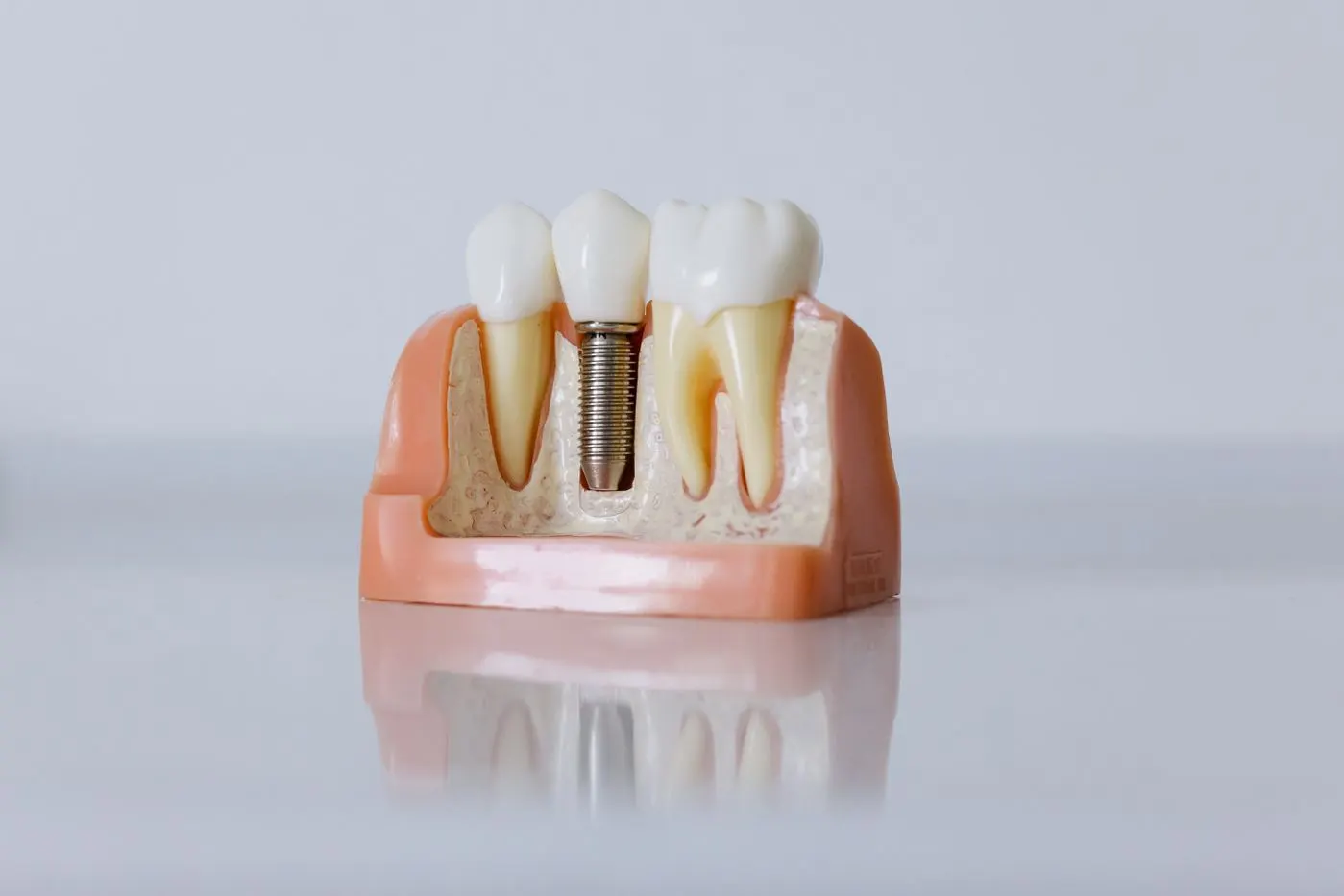
This creates enough bone height for an implant. A sinus lift is usually part of treatment with Dental Implants.
Who is a good candidate for a sinus lift?
A sinus lift may be recommended for people who:
- Want dental implants to replace missing upper back teeth
- Do not have enough bone height below the sinus for an implant
- Have lost bone after long-term tooth loss, gum disease or extraction
- Are in good general health and are non-smokers, or are willing to stop smoking around treatment
Suitability is determined after assessment and imaging.
What are the types of sinus lift?
There are two main approaches.
Osteotome (crestal) technique
This is used when only a small amount of extra height is needed. The sinus floor is lifted through the implant site.
Lateral window technique
This is used when more height is needed. The sinus is reached through a small opening in the side of the jaw.
Sometimes the implant can be placed at the same time. In other cases, it is placed after healing.
How is a sinus lift planned and performed?
Planning usually includes a 3D scan (CBCT) to measure the bone and check the sinus. A Panoramic Xray is often an early step in assessment.
The process usually involves:
- Examination and review of your health and medicines
- Imaging to plan the approach
- Local anesthesia
- Raising the sinus membrane and placing the graft
- Instructions for aftercare and follow-up
Is a sinus lift painful?
A sinus lift is done under local anesthesia and is usually well tolerated.
After the procedure, it is common to have:
- Swelling and bruising
- Mild discomfort
- A small nosebleed
These usually last a few days and are managed with medicines and simple aftercare.
What should I do after a sinus lift?
Aftercare helps protect the graft while it heals. For around two weeks, you will usually be asked to:
- Avoid blowing your nose
- Sneeze with your mouth open
- Avoid using straws
- Avoid smoking
- Avoid flying or diving unless advised otherwise
- Take any medicines prescribed
These steps help avoid pressure changes in the sinus that could disturb the graft. Following these instructions is an important part of recovery, and your surgeon will check healing at your follow-up visits.
How long after a sinus lift can I have an implant?
Sometimes the implant is placed at the same time as the sinus lift.
When it is not, healing before implant placement often takes several months. During this time, the graft is gradually replaced by your own bone. Our surgeon will advise on timing based on your scan and how well the area has healed.
What are the risks of a sinus lift?
Most people heal well, but like any surgery, a sinus lift carries risks, such as:
- A tear in the sinus membrane
- Sinus infection or sinusitis
- Short-term congestion
- Loss of the graft
- Rarely, the need for further surgery
Following aftercare instructions helps reduce these risks.
Who should not have a sinus lift?
A sinus lift may need to be delayed, or may not be suitable, if you have:
- Active sinus disease
- Uncontrolled diabetes
- Heavy smoking
- Certain medical conditions or medicines that affect bone
Please tell us about your health and all your medicines before treatment. Other bone procedures, such as a Dental Bone Graft, may be discussed depending on your case.
When should I seek urgent care after a sinus lift?
Contact us or seek urgent care if:
- Bleeding does not settle with pressure
- Swelling keeps increasing or spreads after the third day
- You develop a fever
- You have trouble swallowing or breathing
How much does a Sinus Lift cost in Qatar?
The cost of a sinus lift depends on:
- The technique needed, with the lateral window approach costing more than the osteotome approach
- Scans, which are charged separately
- Implants and their restorations, which are separate treatments
Sinus Lift at Tadawi Medical Center starts from 3,000 QAR, and the final cost is confirmed before treatment.
Sinus Lift at Tadawi Medical Center
Sinus lifts at Tadawi Medical Center are carried out by our oral and maxillofacial surgeon, Dr. Natashekara Mallesh.
Our sinus lift services include:
- Assessment and imaging
- A personalized treatment plan
- The sinus lift procedure under local anesthesia
- Aftercare instructions
- Follow-up to check healing before implant placement
Book a consultation at Tadawi Medical Center
If you have been told you do not have enough bone for an implant in the upper back jaw, the dental team at Tadawi Medical Center can assess your bone and sinus and explain whether a sinus lift is suitable for you.