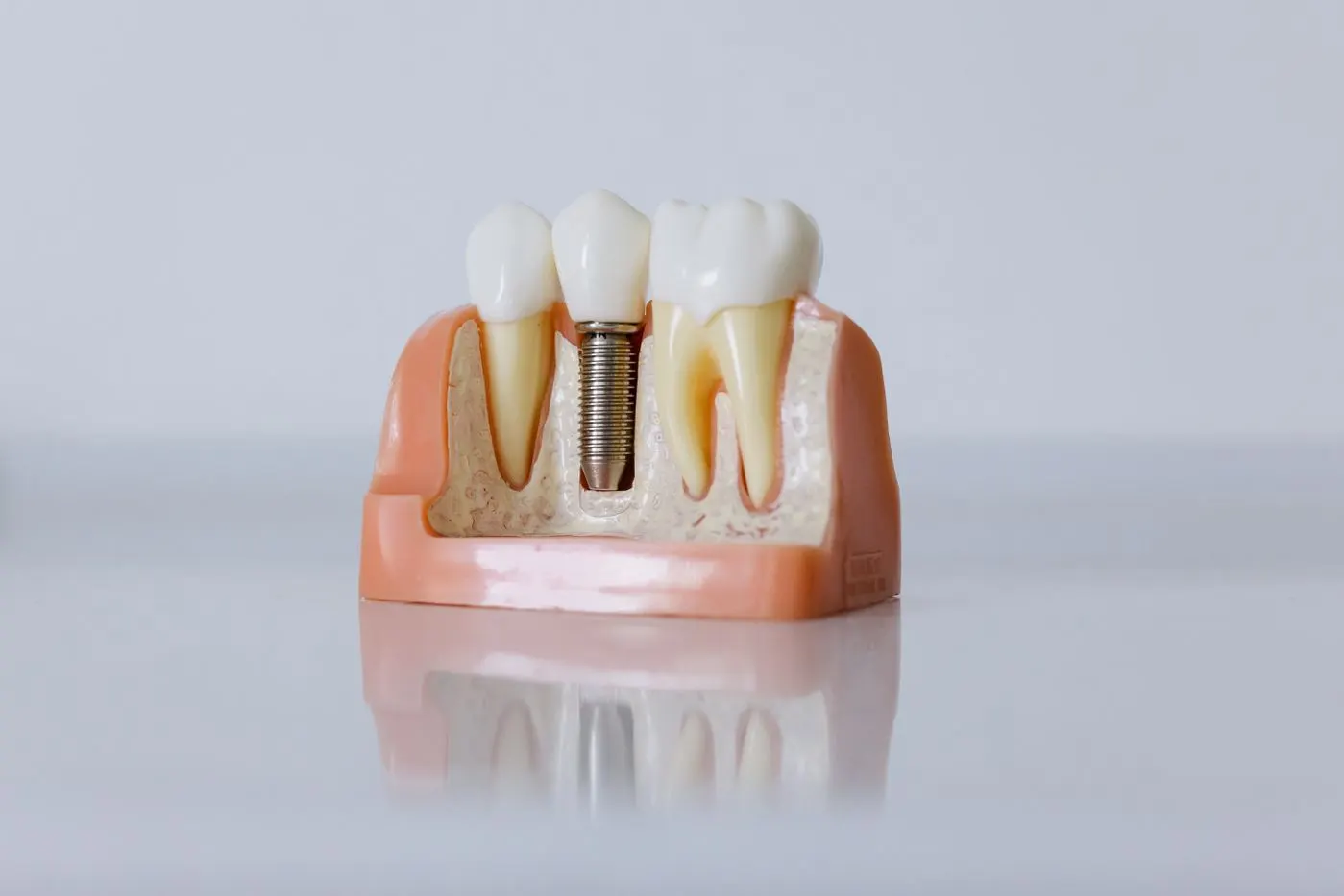
Socket preservation is a minor procedure that fills the tooth socket with bone graft material after an extraction to help limit bone loss.
When a tooth is removed, the bone and gum around the empty socket naturally shrink over the following months. Socket preservation aims to keep more of that bone, so the area is better prepared for a future implant or bridge.
At Tadawi Medical Center in Doha, socket preservation is carried out by our oral and maxillofacial surgeon, often in the same visit as the extraction. He will explain whether it is likely to help in your situation and how it fits with your longer-term plans for replacing the tooth.
What is socket preservation?
Socket preservation, also called ridge preservation, is done straight after a tooth is removed.
The procedure involves:
- Filling the socket with bone graft material
- Sometimes covering it with a protective membrane
- Closing or protecting the gum over it
The graft acts as a scaffold that your own bone gradually grows into over several months.
What does socket preservation do?
Socket preservation aims to reduce shrinkage of the jawbone after an extraction.
It may help:
- Keep more bone for a future dental implant
- Reduce the need for larger grafting later
- Support the look of the gum line, especially at the front of the mouth
It does not stop all bone change and does not replace the missing tooth by itself. Results vary from person to person.
Who is a good candidate for socket preservation?
Socket preservation may be suggested when:
- You are having a tooth removed and plan to have a dental implant later
- The tooth is at the front of the mouth, where bone loss can affect the look of the gum line
- The socket walls are thin or have been damaged by infection or a cracked tooth
- You want to keep the option of an implant or bridge open but are not ready to decide yet
Suitability is determined after assessment.
Do I need socket preservation for every extraction?
No. Many sockets heal well without it.
Socket preservation is mainly considered when:
- An implant or bridge is planned
- The socket has been damaged
If you are not sure yet how you want to replace the tooth, your surgeon can explain the options before the extraction, so you can decide whether socket preservation is worth considering.
How is socket preservation done?
Before treatment, the surgeon examines the tooth, reviews X-rays and asks about your health, your medicines (especially blood thinners and bone medicines such as bisphosphonates), smoking and any allergies.
The procedure usually involves:
- Local anesthesia
- Removing the tooth as gently as possible, often with a Surgical Extraction
- Cleaning the socket
- Filling it with graft material
- Placing stitches or a membrane, if needed
Is socket preservation painful?
Socket preservation is done under local anesthesia and is usually well tolerated.
Afterward, it is common to have:
- Mild pain
- Swelling
- Some bruising
These usually last a few days and settle with the pain relief your dentist advises.
What should I do after socket preservation?
You will be given aftercare instructions, such as:
- Eating soft food
- Not smoking
- Not disturbing the area
- Taking any medicines as advised
- Attending your follow-up visit so healing can be checked
Finding a few small graft granules in your mouth can be normal. Smoking can slow healing and affect the graft, so it should be avoided while the area heals.
How long before I can have an implant after socket preservation?
Healing time varies, but the graft usually needs several months to mature before an implant is placed.
Your surgeon will check healing and advise on the right time for you. When you are ready to replace the tooth, see Dental Implants.
What are the risks of socket preservation?
Most people heal well. Less commonly, the following can occur:
- Infection
- Loss of the graft
- Delayed healing
Following aftercare instructions helps support healing.
Who should not have socket preservation?
Socket preservation may not be suitable if:
- There is an infection that cannot be controlled
- You have some medical conditions
Please tell us about your health and medicines before treatment. Larger bone defects may need a Dental Bone Graft.
Contact us or seek urgent care if swelling spreads, you have a fever, bleeding does not stop with pressure, or you have trouble swallowing or breathing.
How much does Socket Preservation After Extraction cost in Qatar?
The cost of socket preservation depends on:
- The graft needed
- Whether guided bone regeneration with a membrane is also required
- The extraction and any future implant, which are separate treatments
Socket Preservation After Extraction at Tadawi Medical Center starts from 2,825 QAR, and the final cost is confirmed before treatment.
Socket Preservation After Extraction at Tadawi Medical Center
Socket preservation at Tadawi Medical Center is carried out by our oral and maxillofacial surgeon, Dr. Natashekara Mallesh.
Our socket preservation services include:
- Examination and review of X-rays
- Review of your health and medicines
- Socket preservation, often in the same visit as the extraction
- Aftercare instructions
- Follow-up to check healing and plan the next step
Book a consultation at Tadawi Medical Center
If you are having a tooth removed and are thinking about an implant or bridge in the future, the dental team at Tadawi Medical Center can explain whether socket preservation is likely to help and how it fits with your longer-term plans.
Book Socket Preservation After Extraction at Tadawi Medical Center