
Idiopathic Sterility Treatment
Support fertility care with idiopathic sterility treatment
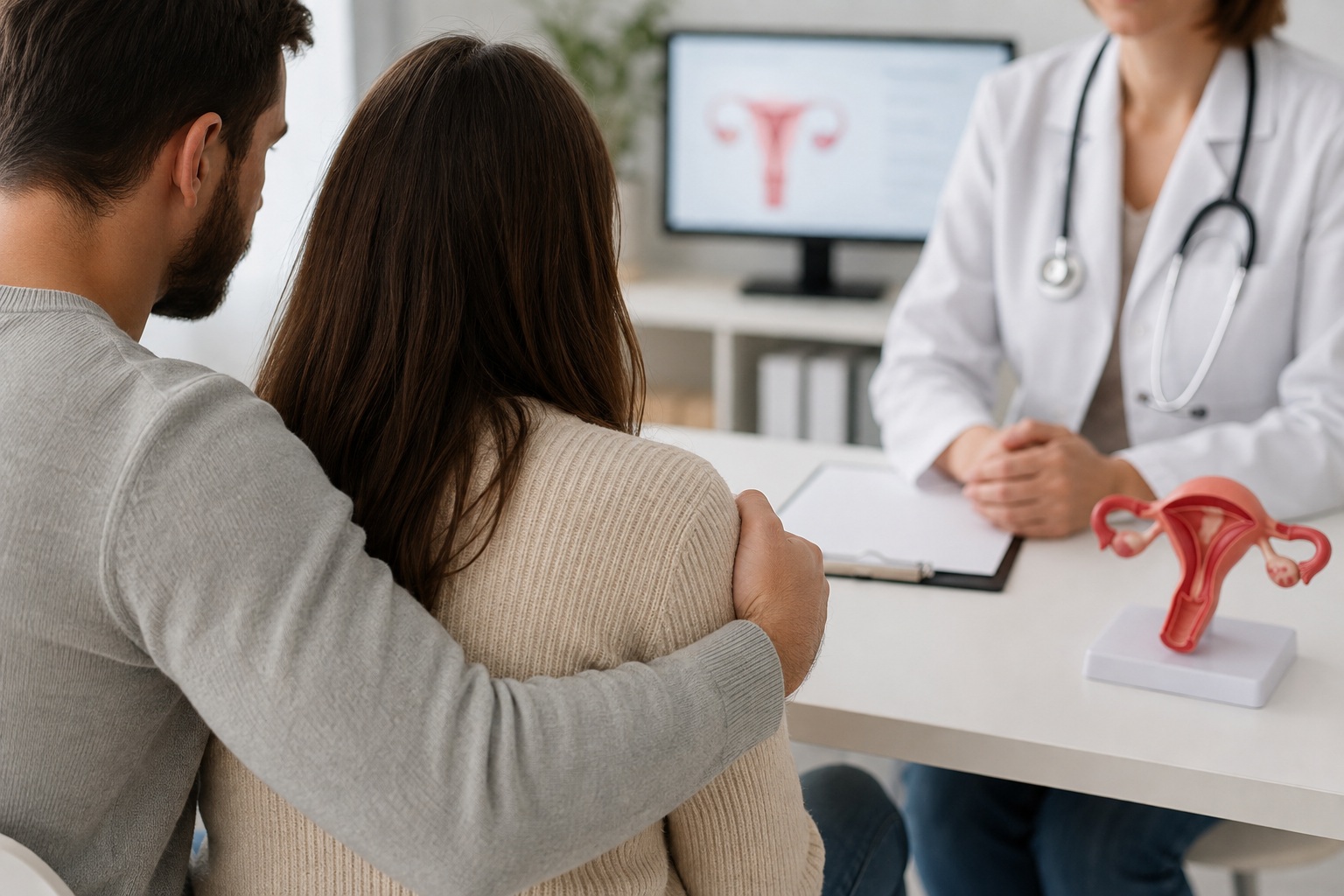


Idiopathic sterility refers to the inability to achieve pregnancy naturally without any clearly identified cause, despite standard fertility investigations.
According to current data, it affects approximately 5–14% of couples. The concept of idiopathic sterility should also include cases of repeated embryo transfer failure after IVF or ICSI, where no clear explanation is found.
At Tadawi Medical Center in Qatar, idiopathic sterility management focuses on comprehensive reassessment of all reproductive functions, including subtle and previously undetected abnormalities, with individualized treatment planning based on advanced reproductive medicine guidelines.
What is idiopathic sterility?
Idiopathic sterility describes infertility in which pregnancy does not occur despite normal standard investigations and without a clearly identified cause.
This condition may involve:
- Normal basic fertility test results
- Failure to conceive naturally or after treatment
- Repeated embryo transfer failure
- Hidden abnormalities affecting fertilization or implantation
What causes idiopathic sterility?
Although no obvious cause is identified, advanced evaluation may reveal underlying factors such as:
Ovulatory disorders:
- Luteal phase deficiency
- LUF syndrome (Luteinized Unruptured Follicle)
- Latent ovarian insufficiency (reduced ovarian reserve and oocyte quality)
- Endometrial maturation defects
- Utero-ovarian circulation disorders affecting implantation
Sperm abnormalities:
- Motility defects
- Poor migration-survival
- DNA fragmentation
- Fertilization failure or low fertilization rate (<20%)
- Zona pellucida or sperm-oocyte interaction defects
- Immunological or inflammatory factors
How is idiopathic sterility diagnosed?
Diagnosis requires a comprehensive and stepwise reassessment beyond routine evaluation.
This may include:
- Review of medical and reproductive history
- Couple’s history and motivations
- Smoking, medications
- Frequency and timing of intercourse
- Use of lubricants and sexual function
- Previous investigations and treatment outcomes
- Psychological factors
Also, evaluation of factors that may reduce fertility such as:
- Stress
- Nutritional status and energy balance
- Temporary ovulatory disturbances
- Associated medical conditions
Reassessment of previous investigations
- Hysterosalpingography
- Laparoscopy
- History of ectopic pregnancy
- New genital infections
The four fundamental functions must be re-evaluated:
- Tubal
- Ovulatory
- Cervical
- Male factor
Organic and structural assessment
Repeat hysterosalpingography if outdated
Laparoscopy to detect:
- Minimal endometriosis
- Adhesions not visible on imaging
- Tubal abnormalities
Hysteroscopy to assess:
- Polyps
- Submucosal fibroids
- Adenomyosis
- Adhesions
- Endometritis
Infection screening
- Cervico-vaginal swab
- Sperm culture
- First urine sample
- Mycoplasma testing
- Chlamydia serology
Ovulation and ovarian assessment
- Progesterone alone is insufficient
- Luteal phase deficiency → progesterone + endometrial biopsy
- LUF syndrome → abnormal LH surge
- Endometrial maturation defect (may be treated with estrogen, aspirin, vasodilators)
Latent ovarian insufficiency indicators:
- Shortened cycles (especially follicular phase)
- Elevated baseline FSH and estradiol
- Low inhibin B
- Abnormal ovarian reserve tests
- Poor response to stimulation
Cervical function
- Huhner (post-coital) test
- May detect immunological sperm-related issues
- Results may vary due to mucus, infection, or treatment
Sperm evaluation
Semen analysis (variable over time)
Advanced testing:
- Migration-survival test
- DNA fragmentation
IVF as a diagnostic tool
IVF can reveal:
- Abnormal ovarian response
- Poor oocyte quality
- Thick zona pellucida
- Fertilization failure
- Embryo development arrest
What are the common infertility treatments available for couples?
Before confirming idiopathic sterility, couples may undergo:
- Ovulation induction
- Timed intercourse
- Intrauterine insemination (IUI)
- In vitro fertilization (IVF)
What treatment options are available for idiopathic sterility?
Treatment depends on detailed findings and may include:
- Optimization of ovarian stimulation protocols
- Treatment of luteal phase or endometrial defects
- Management of infections
Advanced reproductive techniques:
- Intracytoplasmic sperm injection (ICSI)
- Assisted hatching
How is difficult infertility managed by fertility specialists?
Management focuses on:
- Identifying subtle or hidden causes
- Improving oocyte and sperm quality
- Optimizing stimulation protocols
- Enhancing endometrial receptivity
- Continuous monitoring of embryo development
- Addressing psychological factors
Is IVF effective for idiopathic sterility?
IVF is both a diagnostic and therapeutic tool.
It helps identify:
- Poor ovarian response
- Oocyte abnormalities
- Fertilization failure
- Embryo development issues
ICSI may be recommended in cases of:
- Failed fertilization
- Sperm abnormalities
- Low fertilization rates
What advanced reproductive technologies help treat idiopathic sterility?
- Intracytoplasmic sperm injection (ICSI)
- Preimplantation genetic testing
- Advanced embryo culture techniques
- Endometrial receptivity assessment
- Advanced sperm function tests (CASA, acrosome reaction, binding tests)
What are the chances of pregnancy with idiopathic sterility treatment?
Pregnancy outcomes depend on:
- Age and ovarian reserve
- Sperm quality and DNA integrity
- Underlying hidden factors
- Treatment approach
How long does idiopathic sterility treatment take?
Treatment duration varies:
- May require several cycles
- Continuous monitoring is needed
- Depends on diagnosis and response
When should couples see a fertility specialist?
- Failure to conceive despite normal tests
- Repeated IVF or embryo transfer failure
- Persistent unexplained infertility
How much does idiopathic sterility treatment cost in Qatar?
Cost depends on:
- Diagnostic complexity
- Type of treatment
- Individualized care plan
Idiopathic sterility care at Tadawi Medical Center
Services include:
- Advanced fertility reassessment
- Personalized treatment planning
- Comprehensive reproductive diagnostics
- Continuous clinical monitoring
Book a consultation
If you are experiencing unexplained infertility or repeated treatment failure, Tadawi Medical Center provides advanced evaluation and tailored treatment options.
BOOK NOW