
Weight Loss Injections
Healthier Weight Management
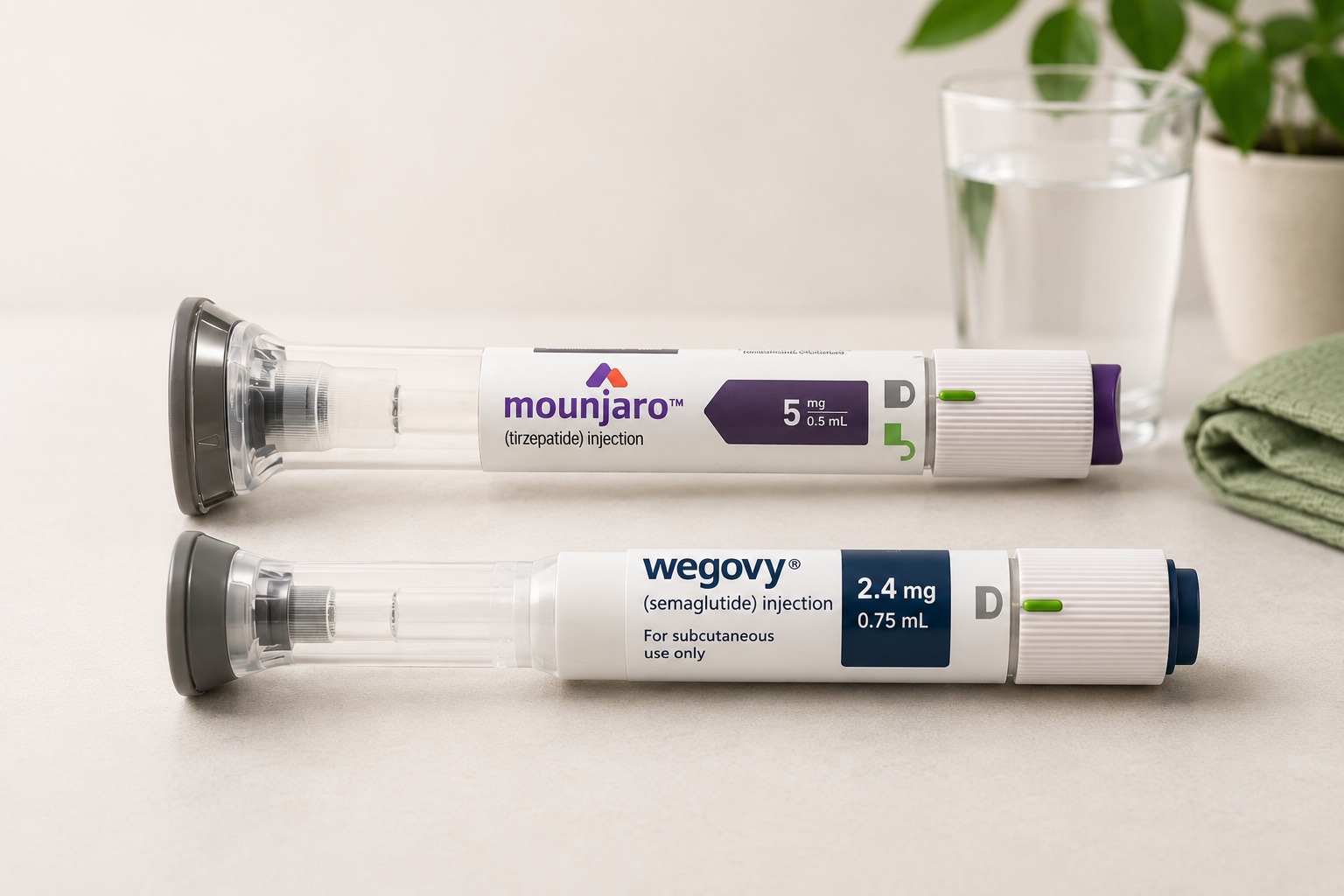


Weight loss injections offer a targeted approach to weight loss, addressing specific metabolic factors. With proper usage, they support long-term weight loss goals and help maintain a healthy weight. They are often used in conjunction with a healthy diet and exercise plan.
Tadawi Medical Center ensures the safe and controlled use of weight loss medication injections, optimizing results while minimizing risks.
Do weight loss injections work?
Weight loss injections, such as those containing semaglutide or tirzepatide including Wegovy and Mounjaro have shown to be effective for many individuals. These injections work by mimicking hormones that regulate appetite and insulin levels, helping reduce hunger, control cravings, and slow digestion, leading to significant weight loss over time when combined with a healthy diet and regular exercise.
Are weight loss injections safe?
Yes, weight reduction injections can be safe when used under the guidance of a healthcare professional. These medications have undergone extensive testing in clinical trials.
However, they may cause side effects like nausea, diarrhea, constipation, or headaches.
These injections are not suitable for everyone, particularly those with certain medical conditions. The doctor will assess the patient’s medical history and overall health before prescribing treatment. Some medical conditions may make certain patients unsuitable for weight loss injections, and the decision to start treatment is made after an individual medical consultation and assessment.
Before prescribing weight loss injections, the doctor may request blood tests and other necessary investigations to assess the patient’s health and make sure that the treatment is safe and appropriate for their condition.
Consult a healthcare provider at Tadawi Medical Center to assess your individual health needs and evaluate risks and benefits for your situation.
Who is a suitable candidate for weight loss injections?
Weight loss injections are primarily intended for:
- Patients who have obesity.
- Patients who are overweight and have weight-related health conditions or problems.
- Patients who may benefit from medically supervised weight management following an individual medical assessment.
Weight loss injections are not intended simply for cosmetic weight loss. The doctor determines whether the treatment is appropriate based on the patient’s overall health, medical history, and individual needs.
What injection is best for weight loss?
There are different types of weight loss injections; choosing the best one depends on individual needs, goals, and circumstances. Commonly used options include:
Semaglutide:
These injections mimic a hormone that regulates appetite and slows down digestion. Semaglutide is available in different brand-name products with different approved uses.
Wegovy is a semaglutide medication specifically approved for chronic weight management in eligible patients.
Ozempic is primarily FDA-approved for the treatment of type 2 diabetes, not as a medication specifically approved for weight loss.
Some doctors may prescribe Ozempic off-label for weight management. In the doctor’s practice, it may be prescribed for patients with diabetes who also have weight-related problems, rather than as a routine weight-loss option for patients without diabetes.
Tirzepatide
is a prescription medication initially developed for managing type 2 diabetes. It works by mimicking hormones that regulate blood sugar, control hunger and support weight management. However, it should only be used under a doctor’s guidance to avoid potential side effects. Its brand name is Mounjaro.
However, it’s crucial to consult a Family Doctor or Obesity Medicine Specialist to determine the best option for you.
What to Expect During Your Weight Loss Journey
A weight loss journey is more than simply losing weight on the scale. When weight loss injections are used as part of a comprehensive weight management plan, your progress may involve several aspects of your physical and emotional well-being.
Nutrition During Your Weight Loss Journey
Nutrition plays an essential role in healthy and sustainable weight management. Weight loss injections should be combined with a healthy and appropriate diet rather than used as a replacement for healthy eating.
Your nutritional needs may change as your weight changes and as your appetite is affected by treatment. Maintaining adequate protein intake and choosing balanced, nutritious meals can help support your overall health during the weight loss process.
A dietitian can help you make appropriate dietary choices and develop sustainable eating habits that support your individual weight loss goals.
Emotional and Mental Well-Being
Weight loss can involve emotional and mental changes as well as physical changes. Setting realistic expectations and focusing on sustainable lifestyle changes can make the journey more manageable.
Skin and Hair During Weight Loss
Rapid weight loss may affect the skin and hair. Some patients may notice changes in skin appearance or elasticity, while others may experience changes in hair health during the weight loss process.
A dermatology assessment may be appropriate for some patients, particularly when noticeable skin or hair changes occur. Addressing these changes as part of the overall weight management journey can help ensure that different aspects of your health are considered.
Ongoing Follow-Up
Weight management is an ongoing process. Regular medical follow-up allows monitoring your progress, assessing your response to treatment, and making adjustments when appropriate.
Why Is InBody Analysis Important During Your Weight Loss Journey?
The number on the scale does not provide a complete picture of what is happening to your body during weight loss. An InBody analysis can provide additional information about body composition and help your healthcare team monitor changes beyond body weight.
Monitoring body composition can help assess changes in body fat and muscle mass during a weight loss program. This is particularly important because maintaining muscle mass is an important consideration during weight loss.
InBody analysis can therefore be used as part of your overall progress assessment, helping your healthcare and nutrition team understand how your body composition is changing and whether adjustments to your weight management plan may be appropriate.
Instead of focusing only on how many kilograms you have lost, body composition monitoring provides a broader view of your weight loss journey and helps support a healthier approach to long-term weight management.
Why Do I Need to See a Dietitian During My Weight Loss Journey?
Weight loss injections work best when they are part of a comprehensive weight management plan that includes appropriate nutrition, physical activity, and sustainable lifestyle changes.
A dietitian can help translate your weight loss goals into a practical nutrition plan that is appropriate for your individual needs. This can be especially helpful when your appetite or food intake changes during treatment.
A dietitian can help you:
- Maintain adequate protein intake.
- Choose balanced and nutritious meals.
- Adjust your food intake as your weight and nutritional needs change.
- Support the preservation of muscle mass during weight loss.
- Develop sustainable eating habits.
- Make appropriate dietary adjustments based on your progress and body composition.
- Build healthy eating habits that can support long-term weight maintenance.
How long do fat loss injections last?
The duration of weight reduction injections depends on the treatment type and your goals, such as:
Semaglutide:
Semaglutide is generally used as part of an ongoing weight management plan. The response to treatment varies between individuals, and the duration of treatment is determined by the doctor based on the patient’s response, goals, and medical needs.
Tirzepatide:
Tirzepatide is administered according to a prescribed dosing schedule, generally involving regular doses as directed by the healthcare provider. The duration of treatment depends on the patient’s response, goals, and medical assessment.
Nutrition and exercise during treatment
Weight loss injections work best when used as part of a comprehensive weight management plan. Treatment should be accompanied by:
- A healthy and appropriate diet.
- Adequate protein intake.
- Regular physical activity.
- Exercise, particularly resistance training, when appropriate.
- Building a healthy and sustainable lifestyle.
These lifestyle measures are an important part of long-term weight management and should not be considered a secondary part of treatment.
How much do slimming injections cost?
The cost of weight loss injections varies depending on the type of injection, dosage, treatment duration and clinic.
For accurate costs and suitability, you can visit the Tadawi Medical Center to consult with a healthcare professional for personalized advice and pricing information.
BOOK NOW