
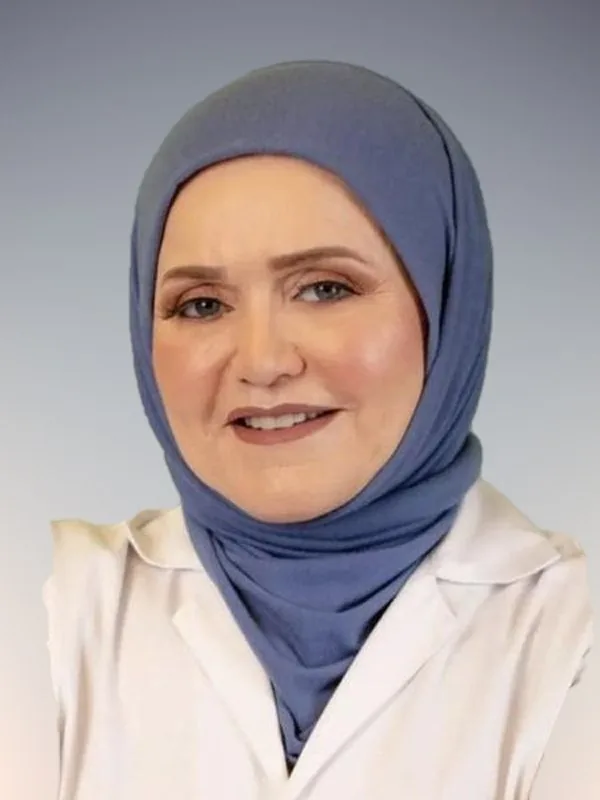
Most of us look for health in a single decision: a new diet, a gym membership, a supplement. Dr. Nawal Al-Alem, Consultant Dermatologist and founder of Tadawi Medical Center, looks for it somewhere simpler: in the 24 hours of an ordinary day. She calls this approach 24 Hours of Happiness.
She presented the idea on stage at TEDxQatarUniversity in November 2018, in her talk “Optimal Food’s Circle – 24 Hours of Happiness”, and it runs through her book Al Dana and the Ideal Diet, her workshops and her work with patients.
Where the idea comes from
After more than 30 years of treating skin and hair, Dr. Nawal saw the same pattern again and again: the skin, the hair, the weight and the energy of a patient tell the story of how that person lives. A cream can calm a rash for a while, but if the day that produced it stays the same, the problem comes back.
So she made herself a promise, in her own words: “to take responsibility to not only treat patients, but to also guide them to restore their health and keep disease at bay by choosing their own ideal food.” The way she does it is by walking people through their day, hour by hour, in what she calls the detailed 24-hour account.
Why “happiness”?
For Dr. Nawal, happiness is not a mood you wait for. It is what a body feels when its needs are met: when it has eaten well, had enough water, moved, slept and been allowed to rest from stress. A body that is looked after through the whole day has more energy, a calmer mind, clearer skin and healthier hair. In that sense, happiness is the result of a well-lived day, and a healthy life is simply many of those days in a row.
The five parts of the circle
The 24 hours of happiness rest on five things the body needs every single day. None of them works alone; together they form a circle.
1. Ideal food
At the centre of the circle is food, and specifically ideal food: food chosen for what the body needs, not only for taste or habit. Dr. Nawal’s teaching is that every organ changes with what we eat. The stomach, the blood, the pancreas, the heart and the skin all respond to our plates, meal after meal. Ideal food means whole, natural, fresh food, balanced across the day, eaten at regular times and eaten calmly rather than in a rush.
2. Water
Many of the signals people read as hunger or tiredness are signs of a body that has not had enough water, especially in Qatar’s heat. Water through the day, rather than all at once, supports digestion, energy and the skin.
3. Movement
Dr. Nawal’s “golden advice” includes at least 20 minutes of exercise a day. The point is regularity, not intensity: a short daily walk or session that becomes a habit does more than an ambitious plan that lasts a week. (Her 5-minute method shows how to start small enough for the habit to stick.)
4. Sleep
Sleep is when the body repairs itself. Too little sleep shows up in the skin, in cravings for sugar the next day and in low energy. A day of happiness ends with a light, early dinner and a real night’s sleep.
5. Calm (less stress)
Stress changes how we eat, how we sleep and how our skin and hair behave. Part of the 24-hour circle is making room for calm: eating without a screen, slowing down, and noticing what the body is asking for instead of silencing it.
How the circle works through the day
The idea is not a strict timetable but a rhythm. A simple way to picture it:
- Morning: wake at a regular time, drink water, and start with a balanced breakfast with protein instead of skipping it or reaching for sugar.
- Midday: keep drinking water, eat a real meal slowly, and move: walk, stretch or exercise for at least 20 minutes.
- Afternoon: if you feel a sudden craving, pause; it is often thirst, tiredness or stress rather than hunger. Choose fruit, nuts or water first.
- Evening: a light dinner, not too late and not too spicy, then time to slow down away from stress.
- Night: enough sleep, so the body can repair and the next day starts well.
Each part supports the next. Good sleep makes a healthy breakfast easier; a calm meal makes a better night more likely. That is why Dr. Nawal speaks of a circle.
The body as an open book
Behind the 24 hours is another of Dr. Nawal’s ideas: to treat the organs of the body “like an open book, so that we can better understand them and identify their needs.” When you know what your stomach, your blood or your skin needs, small daily choices stop feeling like rules and start making sense. A headache, constipation, fatigue or a sudden sugar craving become messages to listen to, as she explains in Your Body Speaks to You Every Day.
Small steps, not willpower
Dr. Nawal does not ask anyone to change their whole day at once. Big, sudden changes rarely last; small steps repeated every day become habits, and habits do not need willpower. Pick one part of the circle, such as water, a daily walk or an earlier bedtime, keep it going for two weeks, then add the next.
Bringing it to Tadawi
The 24-hour approach shapes how care works at Tadawi Medical Center. In dermatology, skin and hair problems are looked at together with diet, sleep and stress. Our nutrition clinic builds plans around your real day rather than a temporary diet. And our family medicine team and laboratory can check what may be behind ongoing tiredness or cravings.
Dr. Nawal also teaches the approach in workshops and courses for adults and children. To ask about upcoming sessions, see Training or contact Dr. Nawal.
This article explains a lifestyle approach. It is not a replacement for medical advice; if you have a health condition, talk to your doctor before changing your diet or exercise.