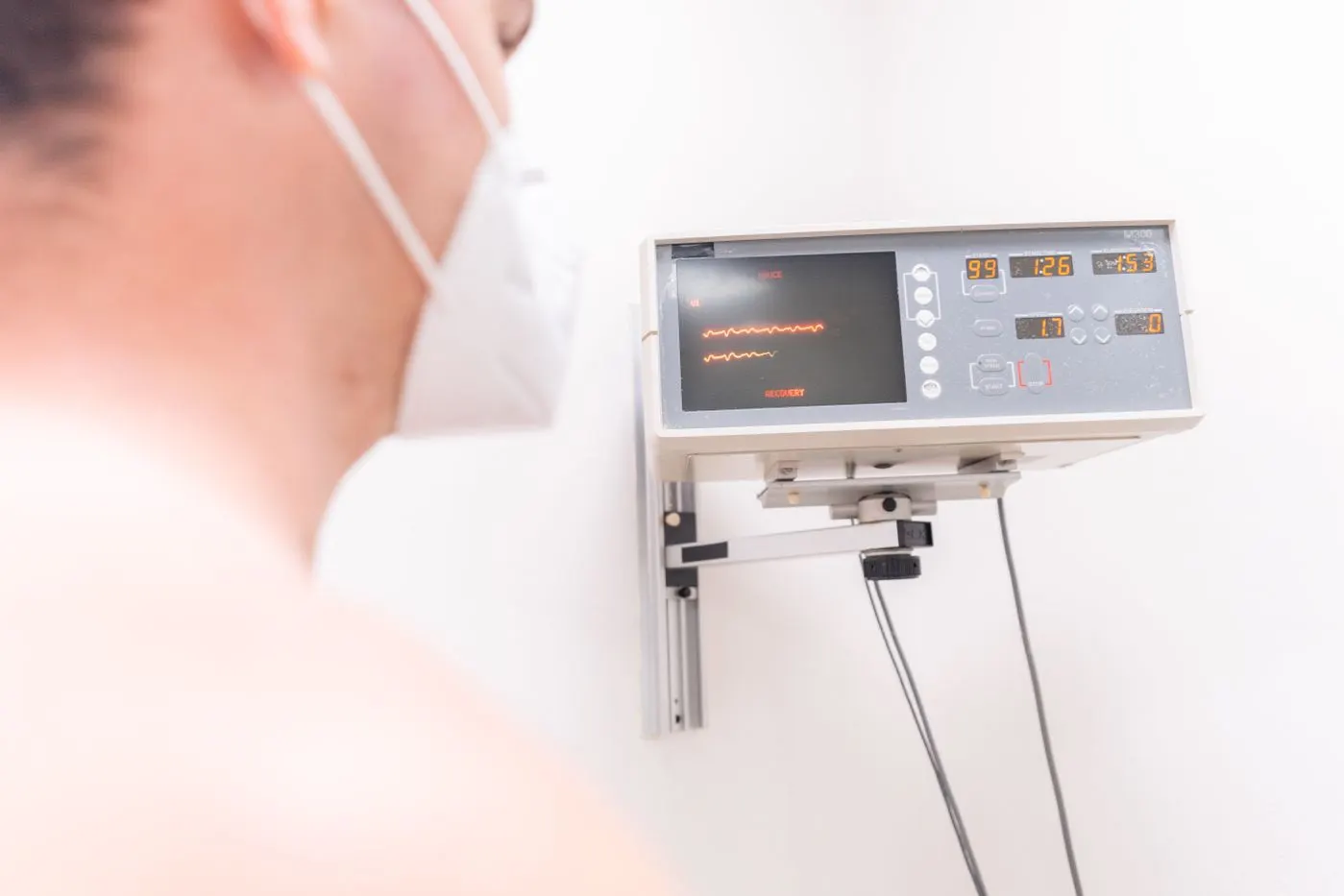
A routine test with an electrodiagnostic tool assesses the electrical and muscle functions of the heart. It checks if your heart is beating at a normal rate, and detects heart disease.
How an ECG works
An electrocardiogram (ECG or EKG) records the electrical signals that make your heart beat. Small sticky pads (electrodes) are placed on your chest, arms and legs and connected to a machine that prints a tracing of your heart rhythm. “With reading” means a doctor interprets the tracing and explains the findings, rather than you receiving only the printout.
An ECG can show the heart rate and rhythm and may show signs of strain, an earlier heart attack or other changes. A normal ECG does not rule out every heart problem, so the doctor reads it together with your symptoms and history.
A baseline ECG can be kept on file and compared with later tracings, which helps track your heart health over the years as part of a long-term plan with your doctor.
Who needs an ECG?
- people with chest pain, palpitations, breathlessness, dizziness or fainting
- patients with high blood pressure, diabetes or high cholesterol
- people starting certain medicines that can affect heart rhythm
- pre-employment, pre-sport or pre-procedure medical checks
- adults having a routine health check
What to expect at Tadawi Medical Center
No special preparation or fasting is needed. You lie down and the electrodes are placed on clean, dry skin; you may need to remove clothing from the upper body, and a gown is provided. The recording itself usually takes only a few minutes and you simply lie still and breathe normally. The doctor then reviews the reading and discusses whether any further tests or follow-up are needed. If you have severe chest pain, call emergency services rather than booking an appointment.
Related services at Tadawi
An ECG is often included in a Well Man Check-up or Well Woman Check-up, and may be part of an Weight Loss Assessment (Obesity Medicine) when weight-related heart risks are being assessed.
Frequently asked questions
Does an ECG hurt?
No. The electrodes only record signals; no electricity is passed into your body. Removing the pads may feel like taking off a plaster.
Do I need to stop my medicines before an ECG?
Usually not. Bring a list of your medicines so the doctor can take them into account when reading the result.
How much does an ECG with reading cost in Doha?
The cost of an ECG with reading depends on your assessment and whether other tests are needed, and it is confirmed with you before the test. You can see current prices on this page or ask our team on WhatsApp.