An ingrown toenail happens when the edge of a nail, most often on the big toe, grows into the skin beside it. It can cause pain, redness, swelling and infection, and it often comes back. When home care is not enough, a minor procedure under local anesthesia removes the ingrowing edge and stops it from growing in again.
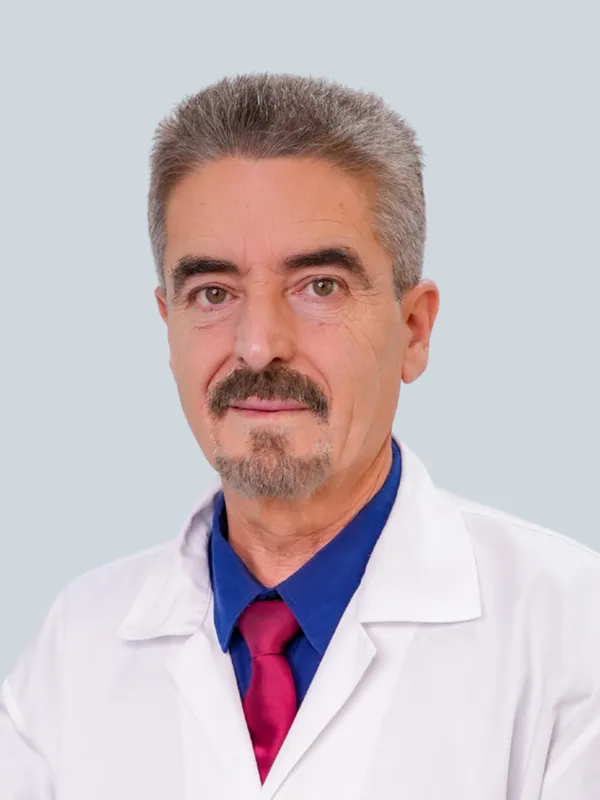
At Tadawi Medical Center in Doha, ingrown toenail correction is done by our dermatologist, Dr. Tahsin Jazzan, and by our General Medicine doctors. Most people walk out the same day.
What causes an ingrown toenail?
- Cutting toenails too short or rounding the corners
- Tight or pointed shoes, or high heels, that press the toes together
- Naturally curved or wide nails, which can run in families
- An injury to the toe, such as stubbing it or dropping something on it
- Sweaty feet, which soften the skin around the nail
- Sports that put pressure on the toes, such as football or running
Symptoms
- Pain and tenderness along the side of the nail, especially in shoes or when the toe is pressed
- Redness and swelling of the skin beside the nail
- Pus or discharge, which can mean infection
- Soft, raw, overgrown tissue at the nail edge that bleeds easily
See a doctor promptly if the toe is very painful, red, hot or has pus, or if redness is spreading. If you have diabetes, poor circulation or numbness in your feet, have any ingrown nail checked early, because foot infections can become serious.
Can an ingrown toenail be treated without surgery?
Mild cases, with no infection, often improve with care at home:
- Soak the foot in warm water for 10 to 15 minutes, two or three times a day, and dry it well
- Wear open or roomy shoes until the toe settles
- Let the nail grow out, and avoid digging into the corner or cutting it yourself
- Take simple pain relief if needed
If the toe does not improve within a few days, becomes infected, or the problem keeps coming back, a minor procedure is usually the most reliable treatment.
What is surgical correction of an ingrown toenail?
The usual procedure is a partial nail removal, also called a wedge resection. The doctor removes the narrow strip of nail that is growing into the skin, usually together with the part of the nail root (matrix) that produces it, so that this edge is less likely to grow inward again. The rest of the nail stays in place, a little narrower than before.
If both sides of the nail are ingrown, both edges can be treated. Removing the whole nail is rarely needed.
What happens during the procedure?
- The doctor examines the toe and asks about your health, medicines and allergies. If there is an infection, it may be treated first.
- The toe is numbed with a local anesthetic injection at its base. You stay awake, and you should feel pressure but not pain.
- The ingrowing edge of the nail is removed and the nail root at that edge is treated.
- Any overgrown tissue is cleaned away and a dressing is applied.
The procedure itself is short, and you can walk out afterwards. Bring or wear open or loose shoes, and if possible arrange for someone to drive you home.
Recovery and aftercare
- Rest with your foot raised for the rest of the day
- Keep the dressing clean and dry, and change it as the doctor advises
- Wear open or loose shoes for a week or two
- Take simple pain relief once the anesthetic wears off, if needed
- Avoid running, sports and swimming until the doctor says the toe has healed
- Come back for a wound check as advised
Some soreness, a little discharge and mild swelling are normal for a few days. Most people go back to work or school within one or two days, and the area heals fully over a few weeks.
Possible risks
- Infection of the wound
- Bleeding or discomfort for a few days
- The nail edge growing back and becoming ingrown again, which is less likely when the nail root is treated
- A narrower nail, or a change in its shape
Contact us if pain, redness, swelling or discharge get worse, or if you develop a fever.
How to prevent ingrown toenails
- Cut toenails straight across, not too short, and do not round the corners
- Wear shoes with enough room for your toes
- Keep your feet clean and dry
- If you have diabetes, check your feet every day and have your nails cut by a professional if you cannot see or reach them well
Ingrown toenail correction at Tadawi Medical Center
Our team offers:
- Assessment of the toe and treatment of infection
- Advice on home care when surgery is not needed
- Partial nail removal with treatment of the nail root, under local anesthesia
- Wound checks and aftercare advice
Our General Medicine team also offers routine health checks such as the Well Man Check-up and the Well Woman Check-up.
Frequently asked questions
Is ingrown toenail surgery painful?
The anesthetic injection stings for a few seconds, then the toe goes numb, so you should feel pressure rather than pain during the procedure. Some soreness is usual once the anesthetic wears off, and the doctor will advise on pain relief.
Can I walk after the procedure?
Yes, you can walk out the same day. Wear open or loose shoes and keep walking to a minimum for the first day or two.
How long does healing take?
Most people return to normal daily activities within a few days. The wound usually heals over two to four weeks, and longer if there was an infection.
Will my nail grow back?
The rest of the nail keeps growing normally. The edge that was removed is not expected to grow back when the nail root at that edge is treated, so the nail will be slightly narrower. Sometimes the edge does regrow, and the procedure can be repeated.
When can I shower or exercise?
You can usually shower after a day or two, keeping the dressing dry or changing it afterwards as advised. Avoid swimming, running and sports until the doctor confirms the toe has healed.
Do I need antibiotics?
Not always. Antibiotics are used when there is a spreading infection. Removing the ingrowing nail edge is what treats the cause.
Can children have this procedure?
Yes. Ingrown toenails are common in teenagers, and the procedure is done in the same way, with a parent present.
How much does ingrown toenail correction cost in Doha?
Ingrown toenail correction at Tadawi Medical Center starts from 1,500 QAR. The final price depends on whether one or both sides of the nail are treated and whether infection needs treatment first, and it is confirmed with you before the procedure.
Book at Tadawi Medical Center
If you have a painful, infected or recurring ingrown toenail, book an assessment with Dr. Tahsin Jazzan or our General Medicine doctors in Doha.
Book Surgical Correction of Ingrown Toenail at Tadawi Medical Center