
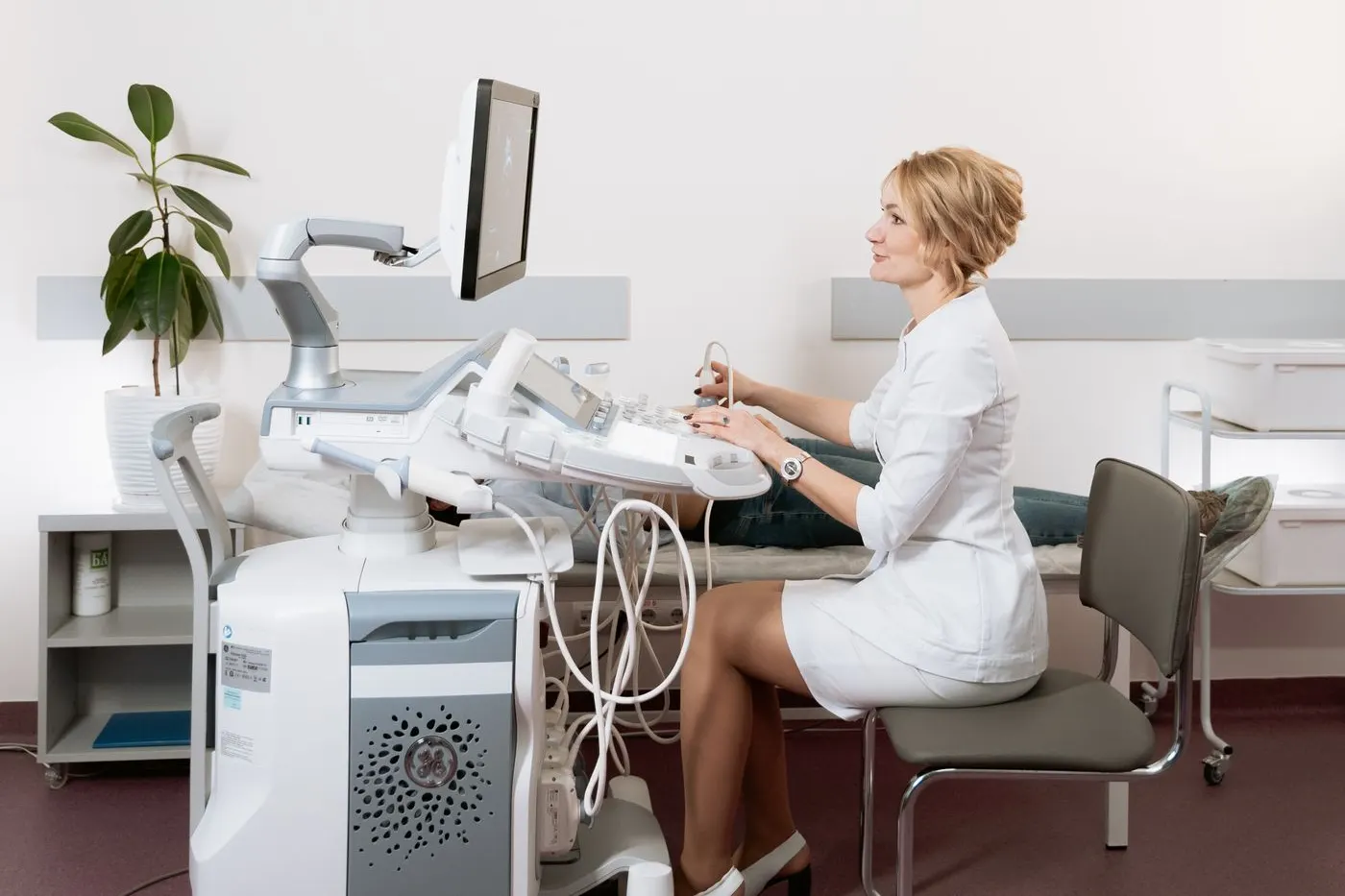
Treating cervical diseases, such as abnormal cervical cells, using electrocautery and cryosurgery.
How electrocautery and cryosurgery treat cervical disease
Both treatments remove or destroy abnormal cells on the surface of the cervix so that healthy tissue can grow back. Electrocautery uses a controlled electrical current to heat and seal the tissue. Cryosurgery (cryotherapy) uses a very cold probe to freeze the abnormal area. The choice depends on the type and extent of the changes, the results of earlier tests and whether you plan future pregnancies. Treating abnormal cells early and keeping up with follow-up screening is one of the most practical ways to protect long-term health.
Who is this treatment for?
- Women with mild to moderate abnormal cervical cells found on a Pap smear and confirmed by colposcopy
- Cervical ectropion (cervical erosion) causing troublesome discharge or bleeding after intercourse
- Small benign growths on the cervix, such as some polyps
- Chronic inflammation of the cervix that has not settled with medicines
Treatment is usually not done during pregnancy or while there is an active infection, which is treated first.
What to expect at Tadawi Medical Center
Treatment is only planned after a consultation and the right tests, which often include a Pap smear, swabs and a colposcopy. The procedure is done in the clinic. A speculum is placed, the cervix is cleaned, and the treatment is applied for a short time; local anaesthetic may be used. You may feel cramping, similar to period pain, and some women feel faint briefly. For a few weeks afterwards a watery discharge is common while the cervix heals. You will be advised to avoid intercourse, tampons and swimming for a period and to contact the clinic if you have heavy bleeding, fever or foul-smelling discharge. A follow-up Pap smear or colposcopy is arranged to check healing.
Related treatments at Tadawi
Cervical treatment is closely linked with Pap Smear screening and Colposcopy and Cervical Biopsy. For larger areas of abnormal cells, the doctor may discuss Loop Electrosurgical Excision Procedure (LEEP) instead.
Frequently asked questions
Is the procedure painful?
Most women feel cramping during treatment rather than sharp pain. The doctor can suggest pain relief beforehand.
How long is the discharge after cryotherapy?
A watery discharge can last a few weeks. This is part of normal healing.
Will it affect future pregnancies?
These surface treatments are generally not expected to affect fertility. Discuss any concerns with the doctor before treatment.
How much does cervical disease treatment cost in Doha?
The cost depends on your assessment and the treatment plan the doctor recommends, so it is confirmed with you before anything is done. You can see current prices on this page or ask our team on WhatsApp.