
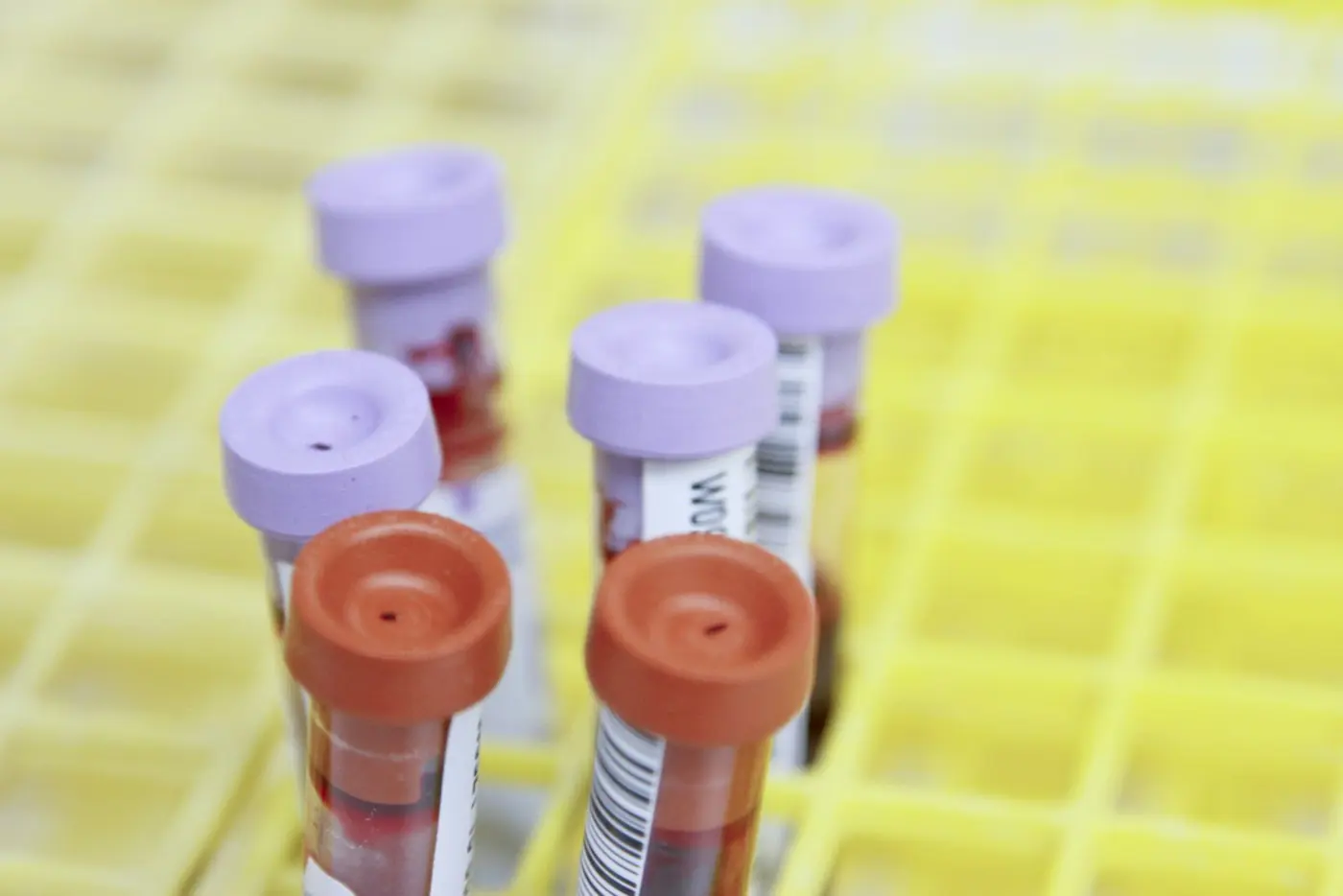
Hepatitis B and C screening is a set of blood tests that checks whether you have hepatitis B or hepatitis C, two viruses that infect the liver. It can also show whether you are protected against hepatitis B.
Many people with hepatitis B or C feel well for years, so a blood test is often how an infection is found. Finding an infection early means it can be monitored and treated, and helps protect the people around you. At Tadawi Medical Center in Doha, you can book the test directly without seeing a doctor first, or see one of our general medicine doctors first if you are not sure which tests you need.
What is hepatitis B and C screening?
The screening can include up to three blood tests:
- Hepatitis B surface antigen (HBsAg): shows whether hepatitis B virus is in your blood now
- Hepatitis B surface antibody (anti-HBs): shows whether you are protected against hepatitis B, from vaccination or past infection
- Hepatitis C antibody (anti-HCV): shows whether you have ever been exposed to hepatitis C
You can have one test or a combination, depending on why you are being tested.
How are hepatitis B and C spread?
Both viruses are mainly spread through blood. Hepatitis B can also spread through sexual contact and from mother to baby at birth. Common routes include:
- Sharing needles, razors or toothbrushes
- Unsterile tattoos, piercings or medical or dental equipment
- Blood transfusions in settings where blood was not screened
- Unprotected sex (mainly hepatitis B)
- Birth to a mother with hepatitis B
They are not spread by hugging, sharing food or casual contact.
Who should have a hepatitis B and C test?
Testing may be advised if you:
- Need results for work, study, travel or a premarital check
- Are pregnant or planning a pregnancy
- Have had a needle-stick injury or contact with someone else’s blood
- Have a partner or family member with hepatitis B or C
- Have had tattoos, piercings or medical procedures where sterility was uncertain
- Have abnormal liver tests or symptoms of liver disease
- Want to know whether you need the hepatitis B vaccine
Suitability for any test is confirmed when you book.
How is the test done?
- A nurse takes a small blood sample from a vein in your arm
- The sample is tested in our laboratory
- Your results are shared with you, and a doctor can explain them on request
The blood draw takes a few minutes.
How do I prepare?
- No fasting is needed
- You can take your usual medicines
- Tell us if you have had the hepatitis B vaccine, or a past hepatitis result
- Tell us if you are pregnant
- If you had a recent exposure, tell us the date, as timing affects how results are read
Is the test painful?
A blood test is usually well tolerated. You may feel a brief pinch, and some people get a small bruise that fades within a few days.
When are results ready?
Results are usually ready within a few days. Our team will tell you the expected time when you book.
What do the results mean?
Each test answers a different question:
- HBsAg negative: no current hepatitis B infection was found
- HBsAg positive: hepatitis B virus is present. Further tests are needed to see whether the infection is recent or long term and how active it is
- Anti-HBs positive: you are likely protected against hepatitis B, from vaccination or past infection
- Anti-HBs negative: you may not be protected, and vaccination may be advised
- Anti-HCV negative: no sign of hepatitis C exposure
- Anti-HCV positive: you have been exposed to hepatitis C at some time. A follow-up test for the virus itself (HCV RNA) is needed, because some people clear the virus on their own
After a recent exposure, infection may not show for several weeks to a few months, so a repeat test may be advised. Results must be interpreted by a doctor together with your history.
What happens if my result is positive?
A positive result is not a diagnosis on its own. A doctor will usually:
- Arrange confirmatory tests, such as a Hepatitis B Virus DNA PCR (Quantitative) or an HCV RNA test
- Check your liver with a Liver Function Test
- Refer you to a liver specialist when needed
- Advise on testing and vaccinating your partner and family
Hepatitis B can be monitored and controlled with treatment, and hepatitis C can often be cured with modern medicines. Treatment decisions are made by a specialist.
Are there any risks?
The risks are those of a routine blood test: a small bruise, brief soreness, or feeling lightheaded. There is no reason not to have the test, including during pregnancy, when hepatitis B screening is part of routine antenatal care.
Seek urgent care if you have yellow skin or eyes, dark urine, severe abdominal pain, vomiting or confusion. After a needle-stick injury or high-risk exposure, go to an emergency department straight away, as preventive treatment is more effective when started early.
How much does hepatitis B and C screening cost in Qatar?
The cost depends on:
- Which tests you choose: HBsAg, hepatitis B antibodies, hepatitis C antibodies or a combination
- Whether you add other tests, such as STD & STI Testing
- Whether you need a doctor’s consultation or follow-up tests
Hepatitis B and C screening at Tadawi Medical Center starts from 180 QAR, and the final cost is confirmed before the test.
Hepatitis B and C screening at Tadawi Medical Center
Our laboratory works with Dr. Rabab Adam, general physician, and our general medicine doctors Dr. Abdalsalam Thaljeh and Dr. Aalia Al-Barwani, who can review your results and plan next steps.
We provide:
- Individual hepatitis tests or combined screening
- Booking without a referral
- Private, confidential handling of results
- Doctor review of results on request
- Referral for further testing or specialist care
Book your test at Tadawi Medical Center
Whether you need hepatitis screening for paperwork, pregnancy or peace of mind, book online and our team will confirm which tests suit you.
Book Hepatitis B & C Screening Test at Tadawi Medical Center