
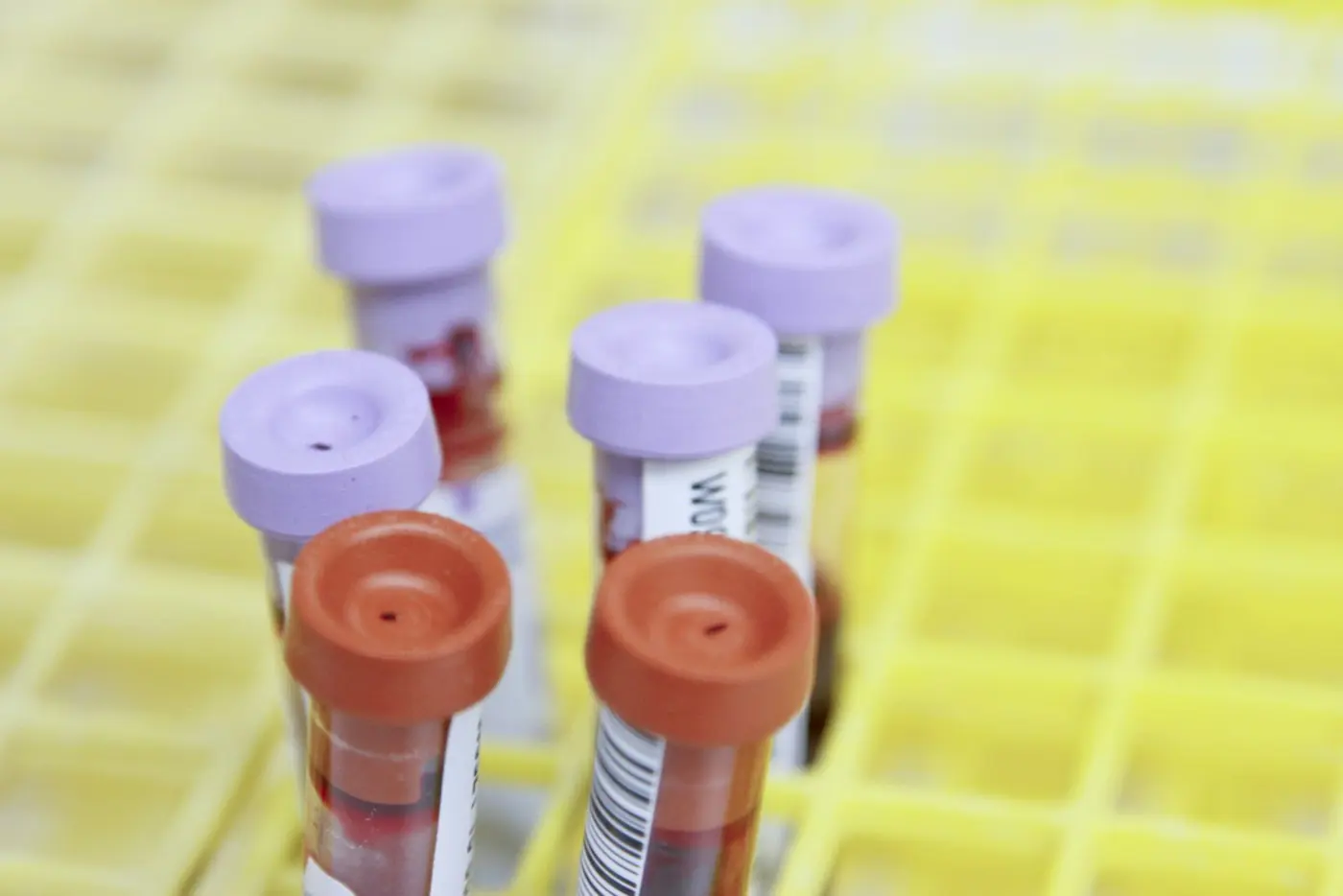
TORCH screening is a blood test that checks for antibodies to a group of infections that can affect a baby if a woman catches them for the first time during pregnancy.
Most women have this test before trying to conceive, as part of pre-pregnancy planning. It shows whether you have had these infections in the past, whether you are likely to be immune, and whether there are signs of a recent infection that a doctor should look at before pregnancy.
At Tadawi Medical Center in Doha, the TORCH panel is done in our laboratory from a single blood sample.
What is a TORCH test?
TORCH is a short name made from the first letters of the infections it covers. The test looks for two types of antibodies in the blood:
- IgG antibodies, which usually show a past infection or vaccination
- IgM antibodies, which may suggest a recent or current infection
The test does not look for the germs themselves. It shows how your immune system has responded to them.
What infections does a TORCH panel check for?
A standard TORCH panel usually includes:
- Toxoplasmosis, a parasite that can be caught from undercooked meat, soil or cat litter
- Rubella (German measles), a viral infection that is preventable by vaccination
- Cytomegalovirus (CMV), a common virus that often causes few or no symptoms
- Herpes simplex virus (HSV) types 1 and 2
The “O” stands for “other” infections. Tests for other infections, such as syphilis, hepatitis B or HIV, are ordered separately when a doctor recommends them.
Who should have TORCH screening?
TORCH screening may be useful for:
- Women planning a pregnancy who want to know their immunity status
- Women who are not sure if they had the rubella vaccine
- Couples having premarital and preconception counseling
- Women with a history of pregnancy loss, when advised by their doctor
If you are already pregnant, testing should be planned with your obstetrician, who will decide which tests are needed and how to read them.
Do I need to see a doctor before booking?
No. You can book the TORCH test directly without seeing a doctor first.
If you are not sure which tests you need, you can see one of our general medicine doctors first. They can review your history and suggest the right tests for you. Results are explained by a doctor on request.
How do I prepare for a TORCH test?
Preparation is simple:
- No fasting is needed
- You can eat, drink water and take your usual medicines
- Tell us if you are pregnant, or if you have had any vaccines or blood transfusions recently
- Bring any previous test results or vaccination records if you have them
How is the TORCH test done?
The test uses a blood sample taken from a vein in your arm.
- A nurse or lab technician cleans the skin
- A small needle is used to draw blood into a tube
- The sample is sent to our laboratory for testing
It takes a few minutes. The test is usually well tolerated, though you may feel a brief sting.
When are TORCH results ready?
Results are usually ready within a few days. Our team will let you know when your report is available.
If a result is unclear, the doctor may suggest a repeat test after 2 to 3 weeks or further tests to understand the timing of an infection.
What do TORCH IgG and IgM results mean?
Results are read for each infection separately. In general:
- IgG positive, IgM negative: usually a past infection or vaccination, and often immunity
- IgG negative, IgM negative: no sign of past infection, so you may not be immune
- IgM positive: may suggest a recent infection, but IgM can stay positive for months or give false positive results
A positive IgM result does not confirm a recent infection on its own. Further tests, such as IgG avidity testing, may be needed. Results must be interpreted by a doctor together with your history.
What should I do after a TORCH test?
What happens next depends on your results:
- If you are not immune to rubella, a doctor may advise vaccination before pregnancy. Pregnancy should usually be avoided for about one month after the rubella vaccine.
- If you are not immune to toxoplasmosis or CMV, you may be given simple advice on food and hand hygiene.
- If IgM is positive, a doctor will advise on follow-up tests and the right time to plan pregnancy.
Are there any risks or limitations?
The blood test itself carries little risk. You may notice slight bruising where the needle went in.
Limitations to keep in mind:
- IgM results can be falsely positive or stay positive for a long time
- A negative result early after infection may miss it
- The test does not check for every infection that matters in pregnancy
If you are pregnant and have a fever, rash or flu-like illness, contact your obstetrician promptly rather than waiting for a routine test.
How much does TORCH screening cost in Qatar?
The cost depends on:
- Whether you need the IgG profile, the IgM profile or both
- Any additional tests your doctor recommends
- Whether you choose a doctor consultation to review results
TORCH screening at Tadawi Medical Center starts from 1,000 QAR, and the final cost is confirmed before the test.
TORCH screening at Tadawi Medical Center
Our general medicine doctors, Dr. Rabab Adam, Dr. Abdalsalam Thaljeh and Dr. Aalia Al-Barwani, can guide you on testing and explain your results. We provide:
- Direct booking for TORCH IgG and IgM profiles
- Sample collection in our in-house laboratory
- Doctor review of results on request
- Referral to our gynecology and obstetrics clinic when needed
You can also add related tests such as serology tests or a complete blood count at the same visit if advised.
Book your test at Tadawi Medical Center
If you are planning a pregnancy and want to know your immunity status, you can book TORCH screening directly at our laboratory in Doha, or book a general medicine consultation first if you would like help choosing the right tests.




