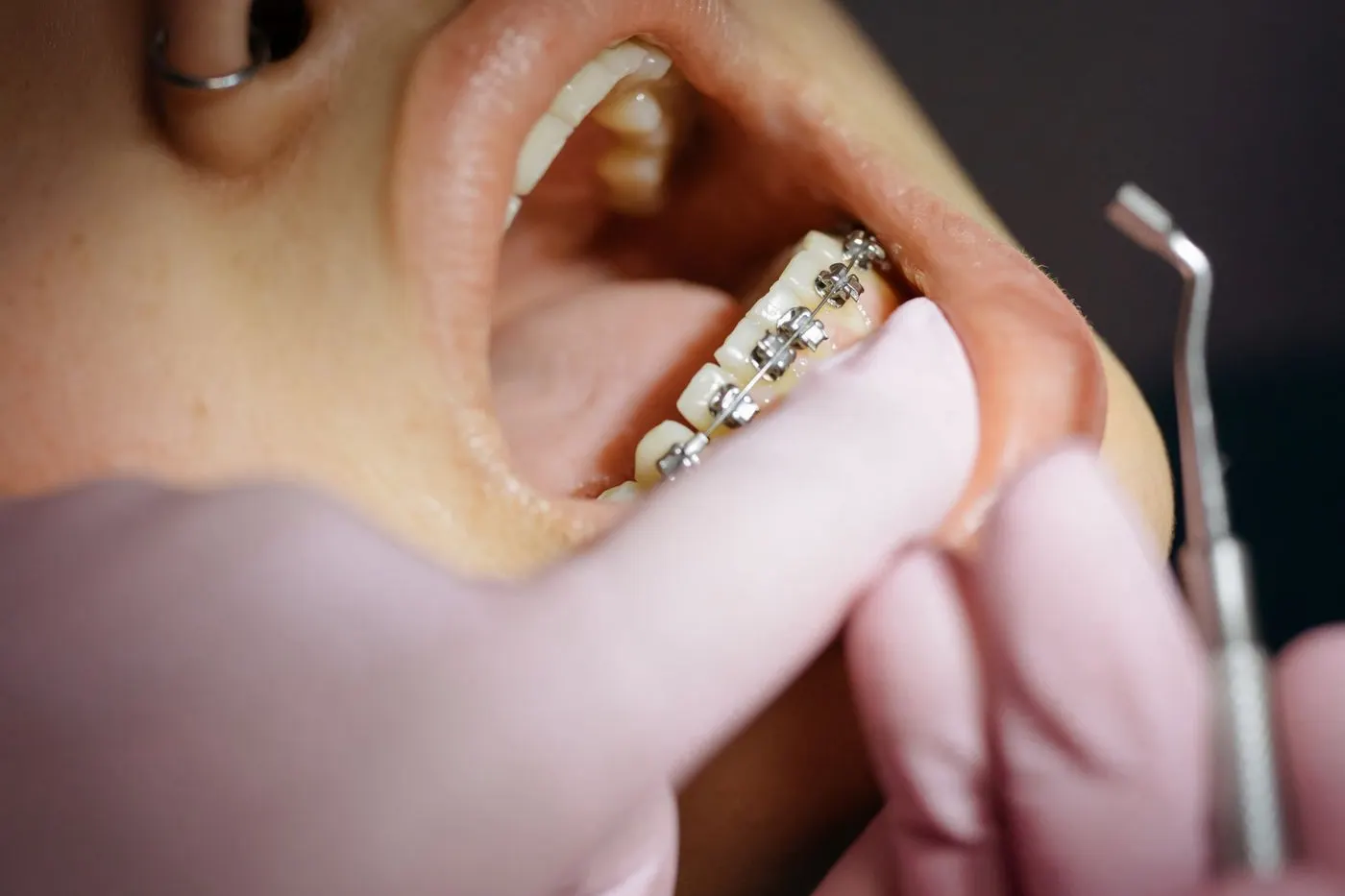
Early orthodontic treatment, also called interceptive or Phase 1 treatment, is orthodontic care for children that aims to correct or improve some bite and jaw problems while the child is still growing.
It usually takes place while the child still has a mix of baby and adult teeth. Some problems are easier to manage at this stage, which may reduce the need for complex treatment later.
At Tadawi Medical Center in Doha, our orthodontist examines children and explains whether early treatment is likely to help or whether it is better to wait. Many children do not need early treatment, and we will tell you honestly if that is the case.
What is early orthodontic treatment?
Early orthodontic treatment typically takes place between about ages 6 and 10.
It may use:
- Removable appliances
- Functional appliances, such as a monoblock, twin block or bionator, that encourage the jaws to grow in a better relationship
- Habit-breaking appliances, which stop or discourage thumb-sucking, tongue thrusting, atypical swallowing or mouth breathing
- Fixed appliances, such as expanders
- A 2×4 appliance (a type of partial braces)
- External appliances, such as a face mask (reverse pull headgear)
The appliance chosen depends on the problem, the child’s age and their stage of growth.
What are the benefits of early orthodontic treatment?
Early treatment aims to address specific problems while the jaws are still growing. Possible benefits include:
- Guiding the jaws to grow in a better relationship
- Widening a narrow upper jaw to correct a crossbite or make space
- Reducing the risk of injury to upper front teeth that stick out
- Helping to stop habits that affect the teeth
- Making later treatment shorter or simpler in some cases
Not every child gains these benefits, and results vary.
Who is a good candidate for early orthodontic treatment?
Early treatment may be recommended for children who have:
- A crossbite, where upper teeth bite inside the lower teeth
- Upper front teeth that stick out and may be at risk of injury
- An underbite or jaws that do not appear to be growing in balance
- Severe crowding or a narrow upper jaw
- Thumb-sucking, tongue thrusting or mouth breathing habits affecting the teeth
Suitability is determined after orthodontic assessment.
What is the right age for a child’s first orthodontic check?
A first check by around age 7 is commonly advised.
This does not mean treatment will start then. Often the orthodontist simply monitors growth. Every plan starts with an Orthodontic Consultation.
How does early orthodontic treatment work?
Treatment usually follows these steps:
- Examination of your child’s teeth, jaws and bite
- X-rays, photographs or impressions, when needed
- Fitting of the appliance, if treatment is recommended
- Adjustments over several visits
Early treatment may involve a Palatal Expander or a Habit Breaker Appliance.
How long does early orthodontic treatment take?
Treatment often lasts around 6 to 18 months, depending on the problem.
Duration also depends on how well the child wears the appliance as instructed.
Are the appliances uncomfortable?
Appliances are usually well tolerated.
In the first days, children may have:
- Mild soreness
- Extra saliva
- Changes to speech
Children usually need a few days to adapt, and these effects usually settle.
Will my child still need braces later?
Phase 1 is the early treatment during childhood. Phase 2, if needed, is usually full treatment once the adult teeth are in.
Possibly. Many children still need a second phase of treatment with braces or aligners once their adult teeth have come through.
Early treatment may make this second phase shorter or simpler, but it does not always prevent the need for later braces. Results vary.
How can parents help during treatment?
Success depends a lot on the child following instructions, so parents play an important part. Parents can help by:
- Making sure removable appliances are worn as instructed
- Helping the child keep their teeth and appliance clean
- Keeping regular dental check-ups throughout treatment
- Bringing the child to every adjustment visit
If a wire or appliance breaks, comes loose or digs into your child’s cheek, contact us for a repair appointment.
Seek urgent care if your child has facial swelling, fever or trouble swallowing.
Early treatment vs waiting — which is better?
Not every child benefits from early treatment.
The choice depends on:
- The type of bite or jaw problem
- The child’s age and stage of growth
- Whether waiting is likely to make treatment more complex
The orthodontist will explain whether to treat now or monitor growth. If waiting is advised, regular check-ups allow the timing to be reviewed as your child grows.
How much does Early Orthodontic Treatment for Children cost in Qatar?
The cost depends on:
- The treatment plan
- The type of appliance needed, such as a functional appliance like a twin block or bionator, or a removable appliance
- The length of treatment
Early Orthodontic Treatment for Children at Tadawi Medical Center starts from 4,225 QAR, and the final cost is confirmed before treatment.
Early Orthodontic Treatment for Children at Tadawi Medical Center
Treatment is carried out by our orthodontist, Dr. Peeyush Jain.
- Assessment of the teeth, jaws and bite
- An honest explanation of whether to treat now or wait
- A personalized treatment plan
- Fitting and adjustment of the appliance
- Regular follow-up visits to monitor progress
Book a consultation at Tadawi Medical Center
If you are concerned about your child’s bite, jaw growth or crowded teeth, the orthodontic team at Tadawi Medical Center can assess your child and explain whether early treatment is likely to help or whether it is better to monitor growth.
Book Early Orthodontic Treatment for Children at Tadawi Medical Center