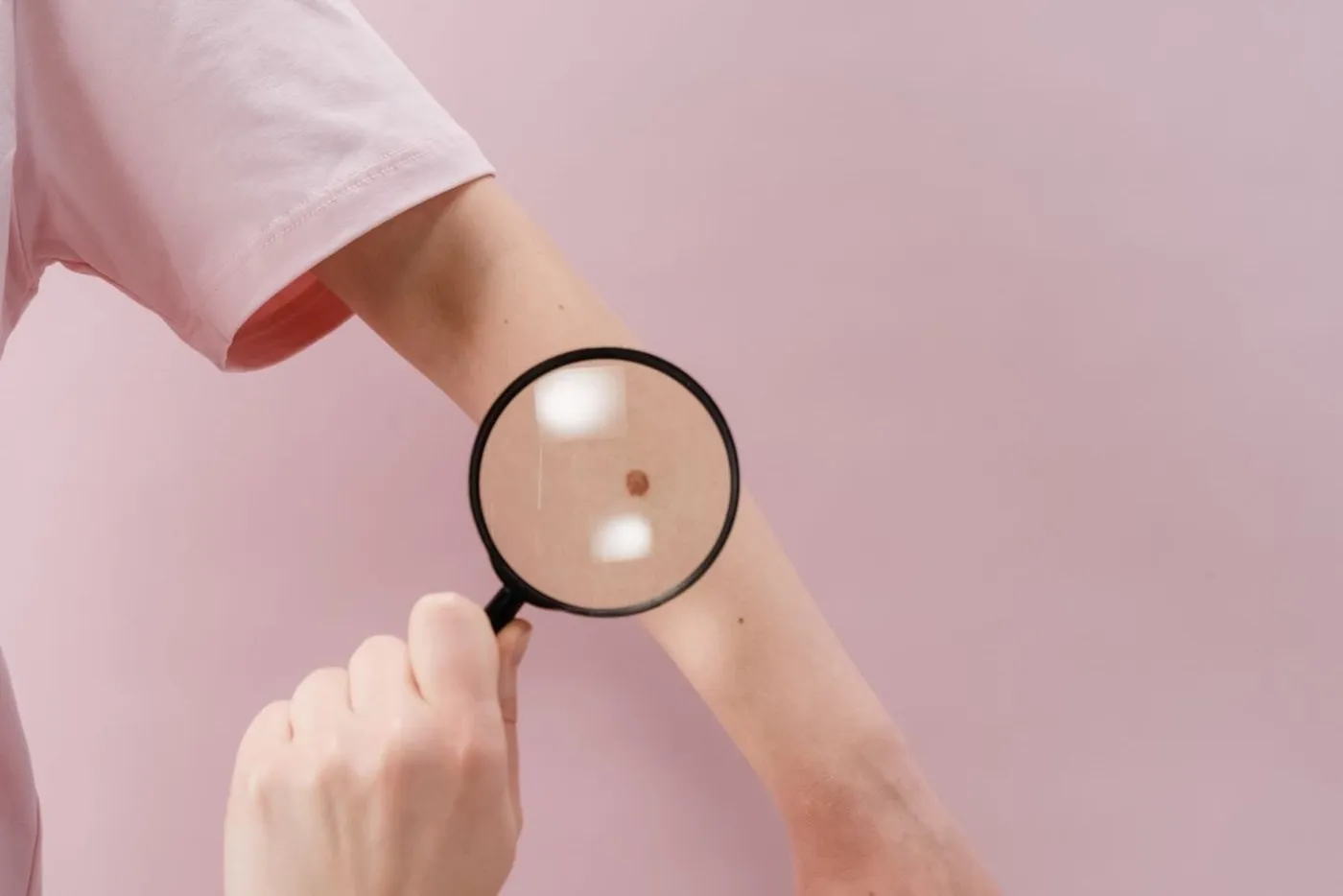
Genital warts are small, flesh-coloured or slightly darker growths on the vulva, around the opening of the vagina, in the groin, on the thighs or around the anus. They are caused by the human papillomavirus (HPV), most often types 6 and 11, and are one of the most common sexually transmitted infections. They are usually painless, but they can itch or bleed a little, and many women find them worrying.
At Tadawi Medical Center in Doha, genital warts in women are assessed and treated privately by our female dermatologists, Dr. Nawal Al Alem, Dr. Randa Marahid and Dr. Rawya Ahmad.
How genital warts spread
HPV passes through close skin-to-skin contact during sex, including oral and anal sex. Warts can appear weeks or months after contact, so it is often impossible to know when the infection was caught. Condoms lower the risk but do not remove it, because they do not cover all the skin.
How we treat genital warts
- Freezing (cryotherapy) with liquid nitrogen in the clinic, usually repeated every one to three weeks.
- Cautery under local anaesthetic, to remove warts that are larger or do not respond to freezing.
- Prescription creams or solutions that you apply at home, when they suit the type and place of the warts.
The doctor chooses the treatment with you according to the number, size and place of the warts. Several sessions are often needed. Treatment removes the visible warts, but the virus can stay in the skin, so warts can come back. Please do not use over-the-counter wart treatments made for hands or feet on the genital skin.
Pregnancy
Please tell the doctor if you are pregnant or planning a pregnancy. Some wart creams must not be used in pregnancy, so the doctor will choose a treatment that is safe for you.
What to expect at your visit
Your visit starts with a private consultation and a short examination of the outer genital skin. The diagnosis is usually made by looking at the skin. If anything looks unusual, or if there is a chance of other infections, the doctor may advise a STD and STI test or a women’s STD/STI genital check-up. Warts inside the vagina, on the cervix or inside the anus need an internal examination and may need a referral to another specialist. The doctor explains the plan, the number of sessions and the cost before any treatment starts.
If you would like a sexual health test on its own, you can book STD & STI Testing directly at our laboratory, without a consultation.
Genital warts and cervical screening
The HPV types that cause genital warts are not the ones linked to cervical cancer. Regular cervical screening (a Pap smear or HPV test) is still important for every woman of screening age, so ask the doctor whether you are due.
Prevention and your partner
The HPV vaccine (Gardasil) protects against the HPV types behind most genital warts and most cervical cancers. It does not treat warts you already have, but it can protect you from other types. Your partner may also benefit from a check, and it is best to avoid sexual contact until the warts have cleared.
Frequently asked questions
Is the treatment painful?
Freezing stings for a short time and the area can be sore for a few days. Cautery is done under local anaesthetic.
Can genital warts go away on their own?
Some do, but this can take many months, and in the meantime they can grow or spread. Treatment usually clears them faster.
Is my visit confidential?
Yes. Your visit and results are handled privately, in line with Qatar’s health regulations.