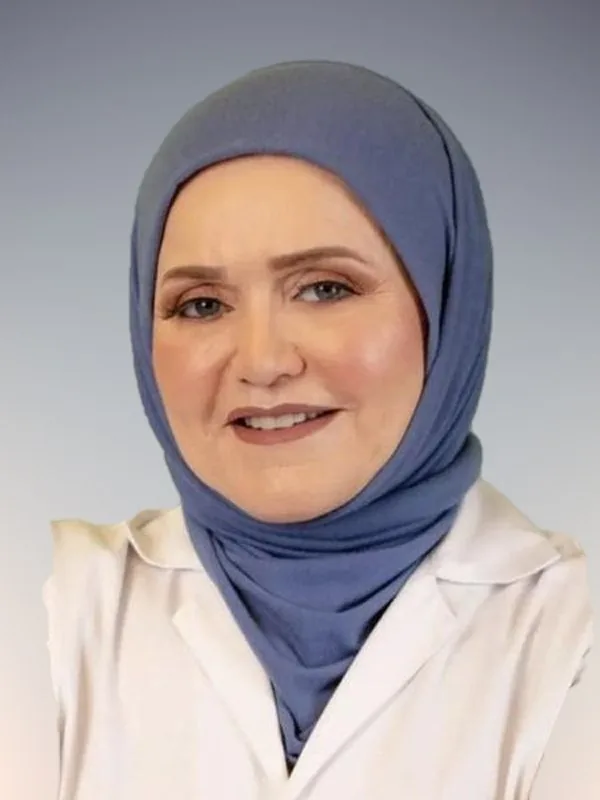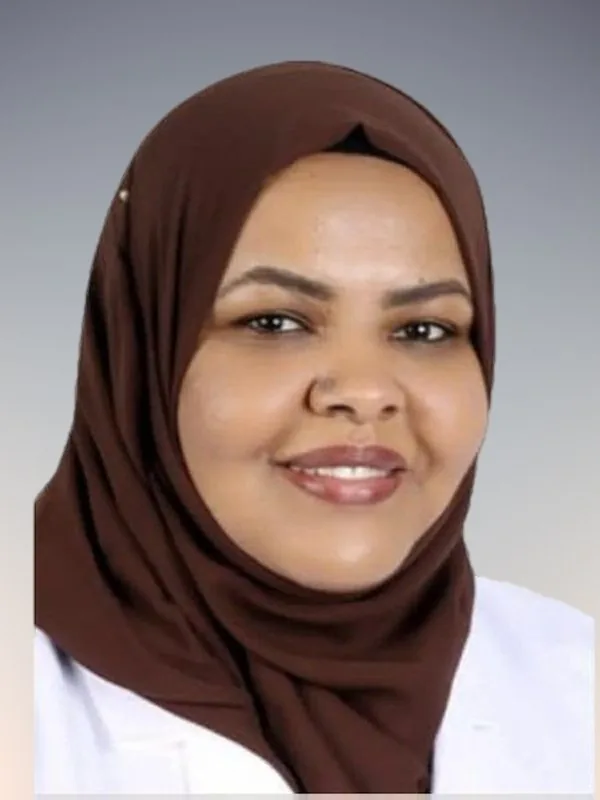
A women’s STD/STI genital check-up is a private sexual health visit with one of our female dermatologists, Dr. Nawal Al Alem, Dr. Randa Marahid or Dr. Rawya Ahmad. It suits women who have symptoms, such as a sore, a rash, a lump, itching, unusual discharge or burning when passing urine, and women without symptoms who want peace of mind, for example after unprotected sex, with a new partner or before marriage or pregnancy.
Many sexually transmitted infections cause no symptoms at all, especially chlamydia and gonorrhoea, so a check-up is the only way to know. Most STIs are easy to treat, and finding them early prevents complications, including problems with fertility, and protects your partner.
What the check-up includes
- A private consultation about your symptoms and any risk, so the doctor can choose the right tests.
- An examination of the outer genital skin for warts, sores, rashes and other skin changes.
- Tests chosen for you, which can include a vaginal swab (often one you can take yourself) or a urine test for chlamydia and gonorrhoea, blood tests for HIV, syphilis and hepatitis B and C, and a swab from any sore.
The tests are done in our laboratory. Test fees depend on the tests you need, and the doctor explains them before anything is done.
Lab tests only
If you only want the tests, without a consultation, you can book them directly at our laboratory:
- STD & STI Testing: the main sexual health test panel.
- Hepatitis B & C Screening Test: blood tests for hepatitis B and C. No fasting is needed.
- HIV RNA PCR: can find HIV earlier than the standard test, from days to weeks after contact.
A consultation is still advised if you have symptoms, so that a doctor can examine you and treat any infection that is found.
Timing of the tests
Some infections take time to show in tests. If the contact was recent, the doctor may advise testing now and again after a few weeks, so that nothing is missed.
Results and treatment
The doctor goes through your results with you and explains what they mean. If an infection is found, you receive a treatment plan, advice on when it is safe to have sex again, and advice on telling and testing your partner. Genital warts can be treated at the same clinic (see genital warts treatment for women). Symptoms such as pelvic pain, bleeding between periods or a check during pregnancy need a gynaecologist, and we will advise you where to go.
Prevention and screening
Condoms lower the risk of most STIs. The HPV vaccine (Gardasil) protects against the HPV types behind most genital warts and most cervical cancers. A sexual health check-up does not replace regular cervical screening (a Pap smear or HPV test), so ask the doctor whether you are due.
Frequently asked questions
Do I need to prepare?
For the urine test, try not to pass urine for one to two hours before your visit. You do not need to fast. If you are on your period, the swab tests can usually still be done; ask us if you are unsure.
Is my visit confidential?
Yes. Your visit and results are handled privately, in line with Qatar’s health regulations.
Is there an internal examination?
The check-up looks at the outer genital skin. If an internal examination is needed, the doctor explains why and refers you to a gynaecologist.