
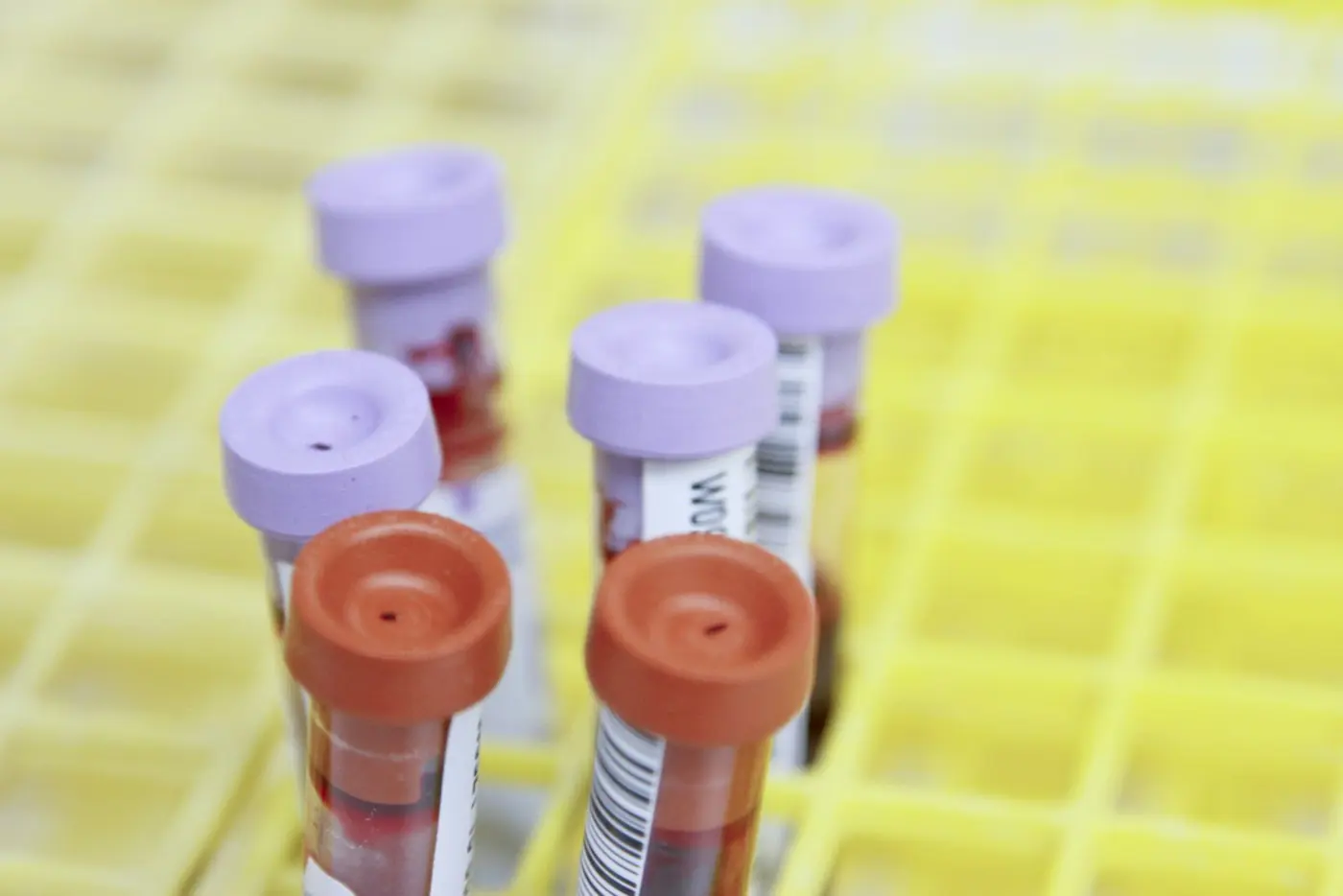
A lipoprotein(a) test is a blood test that measures lipoprotein(a), or Lp(a), a cholesterol-carrying particle that can raise the risk of heart disease and stroke.
Your Lp(a) level is mostly set by your genes and stays fairly stable through adult life. A standard cholesterol test does not measure it, so a person can have normal cholesterol results and still have a high Lp(a). People usually have this test when they have a family history of early heart disease, or when a doctor wants a fuller picture of their heart risk.
What is lipoprotein(a)?
Lp(a) is similar to LDL (“bad”) cholesterol but has an extra protein attached. High levels are linked to:
- Build-up of fatty plaque in the arteries
- A higher tendency for blood clots
- Narrowing of the aortic heart valve
Lp(a) is one risk factor among many. It is not a diagnosis of heart disease on its own.
Why is the Lp(a) test different from a cholesterol test?
A routine lipid profile measures total cholesterol, LDL, HDL and triglycerides. Lp(a) is measured separately.
Because Lp(a) is mainly inherited:
- Diet and exercise have little effect on the level
- Most adults only need to be tested once
- A repeat test may be suggested in some cases, for example during treatment changes
Who should have a lipoprotein(a) test?
Many heart guidelines suggest measuring Lp(a) at least once in adulthood. It is especially useful if you have:
- A family history of heart attack or stroke at a young age
- A personal history of heart disease or stroke, especially at a young age
- Very high LDL cholesterol or familial hypercholesterolemia
- A close relative with high Lp(a)
- Heart disease risk that seems higher than your other results explain
Do I need to see a doctor before booking?
No. You can book the test directly without seeing a doctor first.
If you are not sure which tests you need, you can see one of our general medicine doctors first. They can review your overall heart risk and suggest the right tests. Results are explained by a doctor on request.
How do I prepare for the test?
- Fasting is not needed for Lp(a) on its own
- If you are adding a lipid profile, ask us when booking whether fasting is advised
- Take your usual medicines unless your doctor has told you otherwise
- Tell us if you are pregnant or unwell, as levels can change temporarily
How is the test done, and when are results ready?
A small blood sample is taken from a vein in your arm. It takes a few minutes and is usually well tolerated.
Results are usually ready within a few days. Our team will let you know when your report is available.
What do the results mean?
Results are reported in mg/dL or nmol/L, and these units cannot be directly converted. As a general guide:
- Below about 30 mg/dL (75 nmol/L): generally considered low risk
- Above about 50 mg/dL (125 nmol/L): generally considered raised, with higher heart risk
- Values in between: a gray zone, read together with your other risk factors
Cut-offs differ between guidelines and labs. Results must be interpreted by a doctor alongside your blood pressure, cholesterol, blood sugar, smoking status and family history.
What should I do if my Lp(a) is high?
A high result does not mean you will have a heart attack. It means managing your other risk factors becomes more important. A doctor may advise:
- Tighter control of LDL cholesterol, blood pressure and blood sugar
- Stopping smoking and staying active
- Further heart risk tests, such as an ECG with reading or an hs-CRP inflammation test
- Testing close family members
- Referral to a cardiologist in some cases
Treatments that lower Lp(a) directly are limited, and new medicines are still being studied. Do not start or stop any medicine without speaking to your doctor.
Are there any risks or limitations?
The blood test carries little risk, apart from a small bruise. Points to keep in mind:
- Levels can be temporarily higher in pregnancy, during illness and with some kidney conditions
- Different labs may use different methods and units
- The test does not show whether your arteries are already narrowed
If you have chest pain, shortness of breath, sudden weakness, face drooping or trouble speaking, call emergency services right away. Do not wait for a blood test.
How much does a lipoprotein(a) test cost in Qatar?
The cost depends on:
- Whether you test Lp(a) alone or with a lipid profile and other heart tests
- Whether you choose a doctor consultation to review results
The lipoprotein(a) heart risk test at Tadawi Medical Center starts from 720 QAR, and the final cost is confirmed before the test.
Lipoprotein(a) heart risk test at Tadawi Medical Center
Our general medicine doctors, Dr. Rabab Adam, Dr. Abdalsalam Thaljeh and Dr. Aalia Al-Barwani, can assess your overall heart risk and explain your results. We provide:
- Direct booking for the Lp(a) test
- Sample collection in our in-house laboratory
- Related heart risk tests at the same visit when advised
- Doctor review of results on request, with referral when needed
Book your test at Tadawi Medical Center
If heart disease runs in your family or you want a fuller picture of your heart risk, you can book the lipoprotein(a) test directly at our laboratory in Doha.