Consulting a dermatologist to discuss treatment options accordingly.
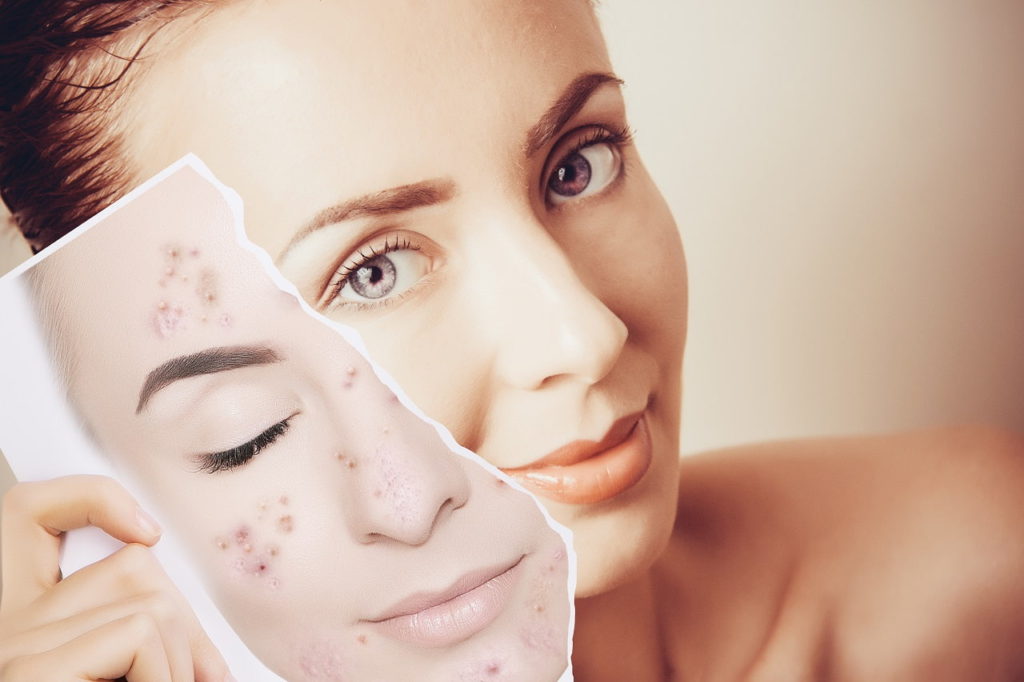
Acne is one of the common problems that 80% of people experience between the ages of 11 and 30 for various reasons. This means 80% of people have a possibility of having acne scars/dark spots or currently have active acne that requires treatment. It is best not to leave acne untreated, as early treatment can control it and lower the risk of scars. Acne can come back, so some people need maintenance treatment.
At Tadawi Medical Center’s Dermatology Department, our team of dermatologists can assist you with your acne journey. We offer a wide range of treatments through technology and medication that have proven to be effective in controlling acne and improving the marks it can leave.
What are the causes of acne?
- Hormonal changes
Acne appears during puberty, before menstruation, and during pregnancy as a result of changes in hormone levels that stimulate the production of sebaceous glands.
- Blocked pores
The use of cosmetics and skin care products that contain oils, which cause blocked pores, and not cleaning them well, leads to a build-up of oil and dead skin cells, forming comedones, whiteheads and blackheads under the skin.
- Some types of medications
Some medicines can cause or worsen acne, such as those containing male hormones (androgens), lithium, corticosteroids and some epilepsy medicines.
- Heredity
Acne is associated with genetic and hereditary factors; the possibility of acne appears with a family history of the disease.
- Stress and sleep disturbance
Going through psychological stress stimulates the production of stress hormones, such as cortisol, which in turn stimulates the sebaceous glands to overproduce sebum and cause pimples.
When does acne stop naturally?
Active hormonal acne appears at the beginning of adolescence, which is often between the ages of 14 and 17 for females and 16 and 19 for males. By the end of puberty, acne should start to calm down or subside.
It’s important during this phase to have a cleaning routine and to openly talk to adolescents as having acne can play a huge role in their confidence.
How long will acne scars take to fade?
For scars and marks left by acne, see our Acne Scar Treatment page.
Acne scar removal takes a relatively long time to heal completely or become less noticeable, but sometimes the scars are permanent if not treated correctly.
What are the 4 types of acne?
- Non-inflammatory acne
They are clogged white and blackheads on the surface of the skin. It does not cause skin swelling around it. It also improves and responds to the treatment used without a prescription.
- Inflammatory acne
Swollen pimples appear as a result of bacteria entering clogged pores, which causes inflammation in the inner layers of the skin and results in painful pimples that are difficult to get rid of.
- Cystic acne
It is the stage in which acne inflammation increases and a painful sebaceous cyst appears in the epidermis, which is divided into moderate and severe inflammation.
- Hormonal acne
One of the types of acne that appear is due to hormonal changes that occur in the person’s body and cause the appearance of hormonal pills accordingly.
When to see a dermatology doctor for acne?
- Failure to respond to topical over-the-counter medications and treatments.
- The situation worsens, and acne spreads widely on the skin.
- Noticing pain in the affected areas when pressed.
- The appearance of redness and signs of irritation and inflammation.
- The appearance of acne marks or dark spots on the skin.
What do dermatologists prescribe for acne?
- Medications to control acne
Acne treatment with prescription medications to reduce oil production and swelling and treat bacterial infections. Results usually start after four to eight weeks. Isotretinoin (Roaccutane / Accutane) is usually taken for about 6 months or more, with monthly check-ups and blood tests.
- Laser acne scar treatment
Erbium laser is used to treat the effects of pimples and side complications, and it takes a period ranging from a week to 3 months for results to appear.
- Hydrafacial treatment
A medical procedure that deeply cleanses, extracts and hydrates the skin utilizing super serums filled with antioxidants, peptides and hyaluronic acid.
- Chemical peel
Chemical peeling is used to treat acne scars through deep, medium and light peeling to remove the upper layer of the skin and reduce the appearance of deep scars.
- Steroid injections
These injections help to get rid of severe and difficult acne. Large grains are injected to reduce inflammation, and their results appear after a period of weeks of injections.